Frequently Asked Questions
RPA, or Robotic Process Automation, means automating robotic processes and is used to automate repetitive and rule-based tasks in organizations. This increases productivity, reduces errors and saves time and money.
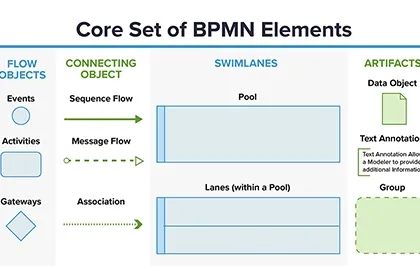
BPMS, or Business Process Management Suite, is a set of tools and technologies that help organizations model, manage, and optimize their business processes. While RPA focuses on automating tasks, BPMS provides a broader view of processes and allows them to be managed and improved.
The integration of RPA and BPMS can lead to improved efficiency, reduced costs, increased regulatory compliance, better process visibility, and greater scalability. This integration enables the automation of more complex and end-to-end processes.
The challenges of RPA implementation include identifying suitable processes for automation, selecting the appropriate RPA tool, training and skilling employees, managing change, and ensuring security.
The future of RPA is bright and is expected to become more powerful and practical with the advancement of technology. The integration of RPA with Artificial Intelligence (AI) and Machine Learning (ML) allows RPA to automate more complex processes and make smarter decisions.