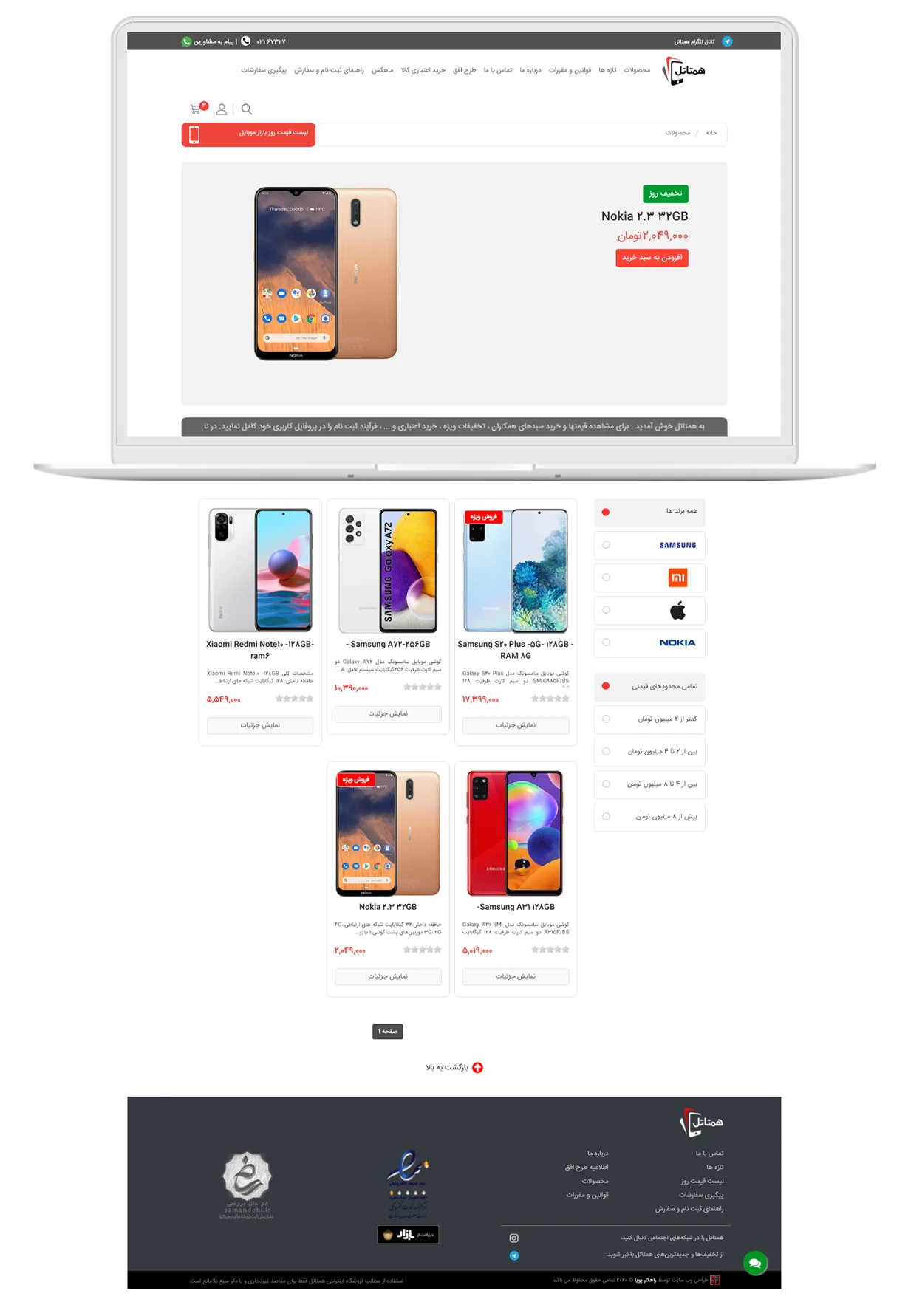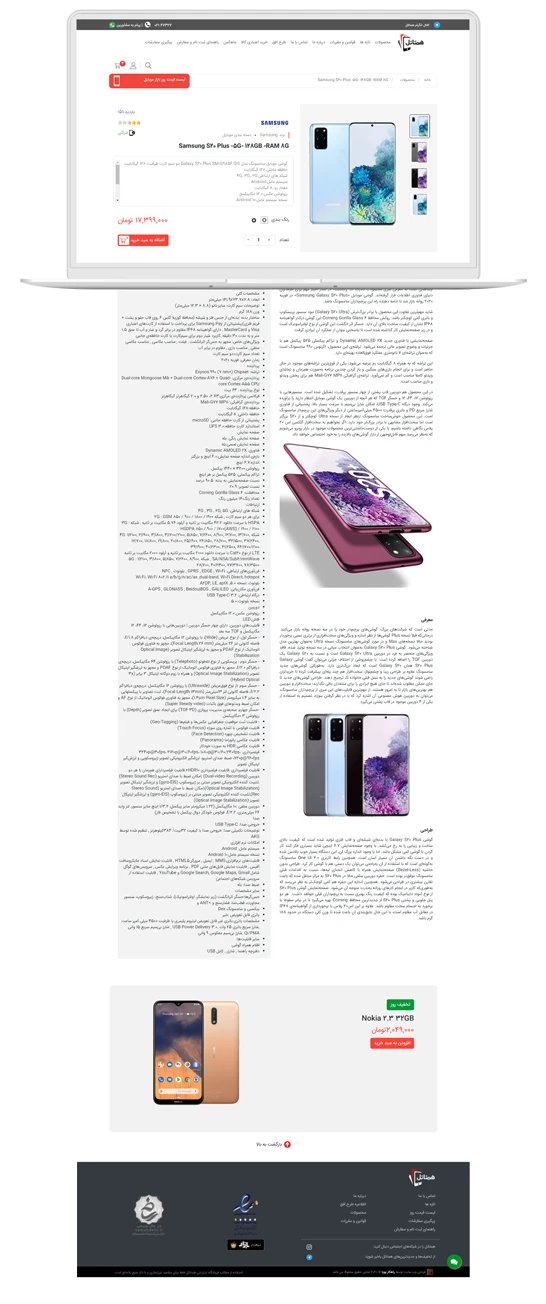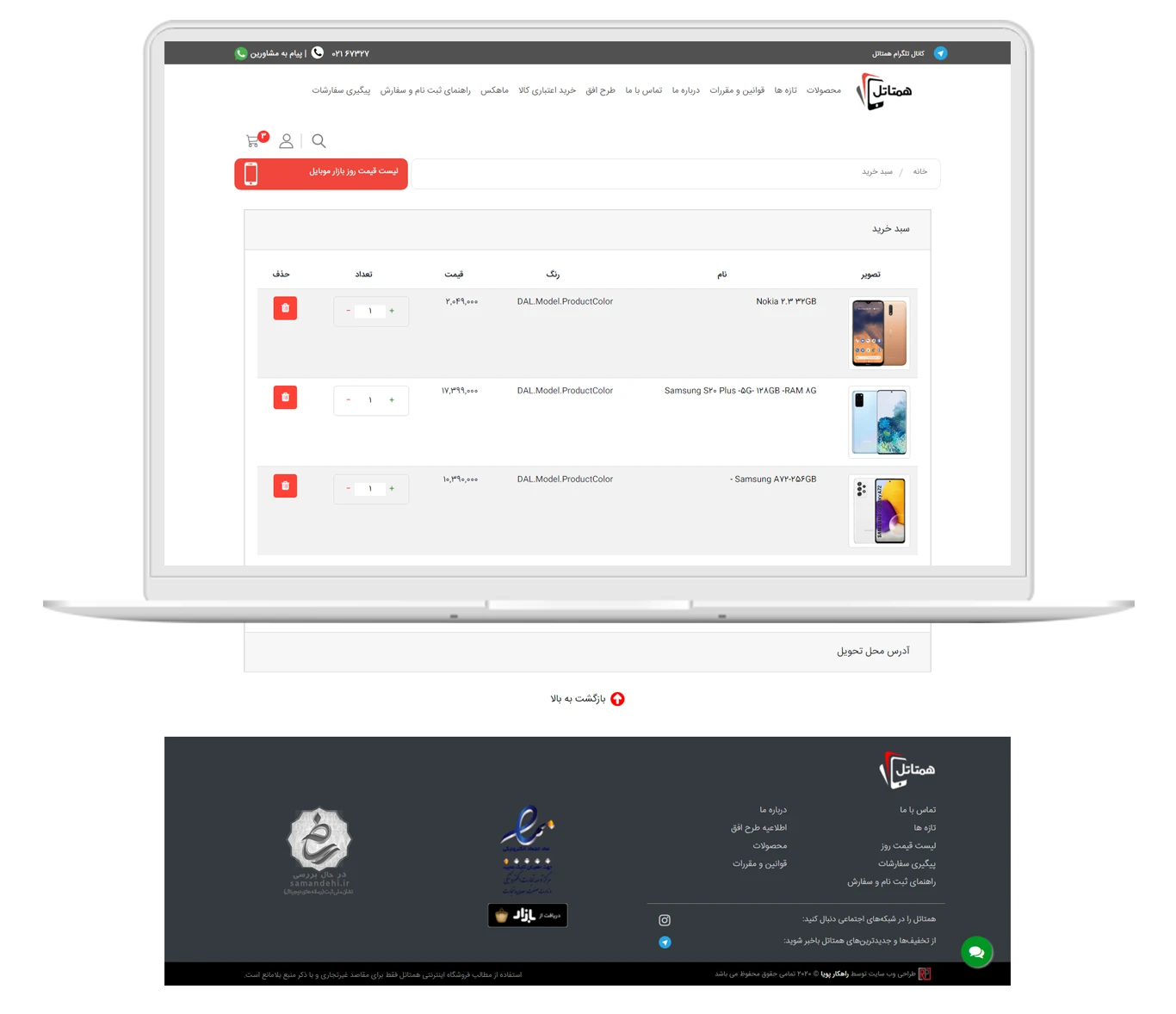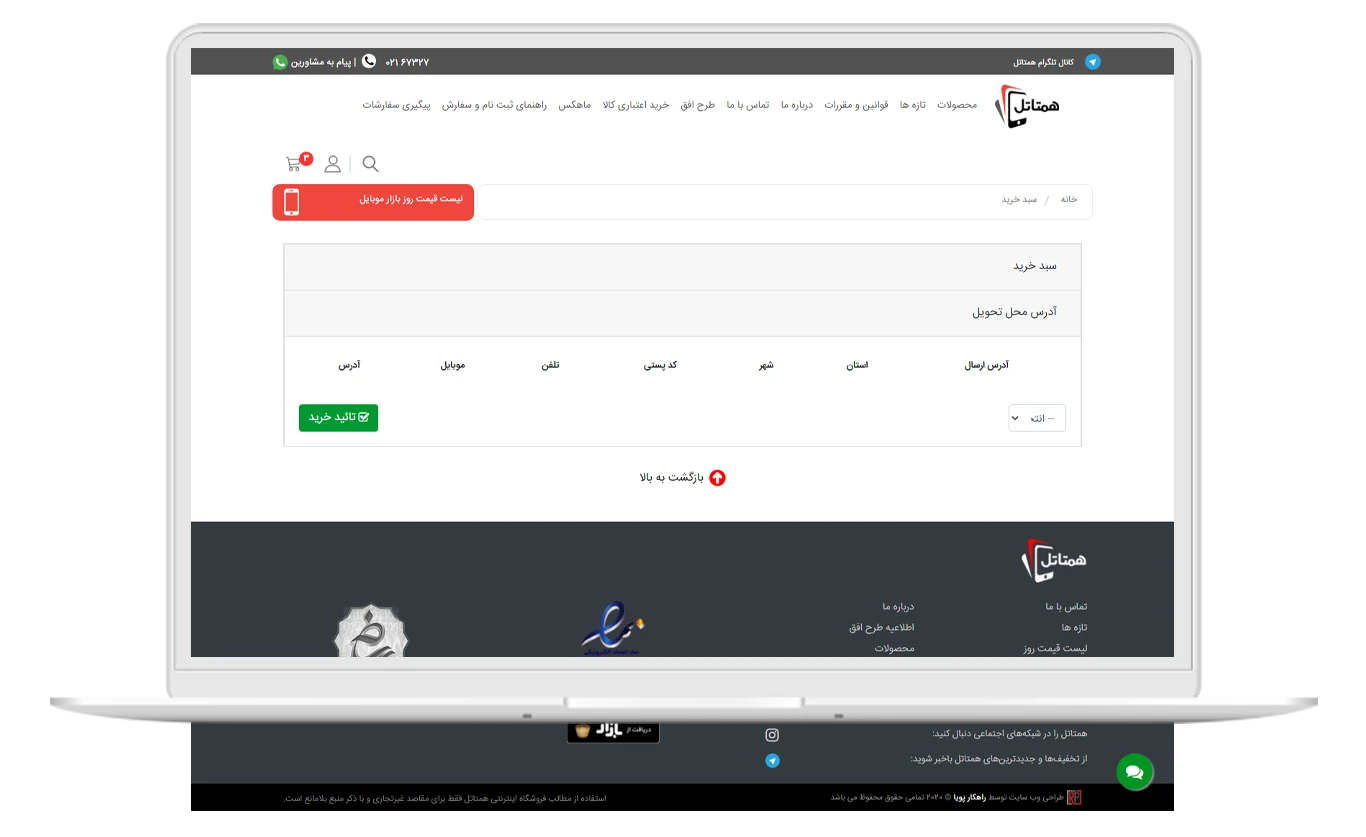

Hamtatel B2B Store

Hamtatel B2B Store


Description
Commissioning date: June 2020

Introduction of the Hematatel B2B Store Project

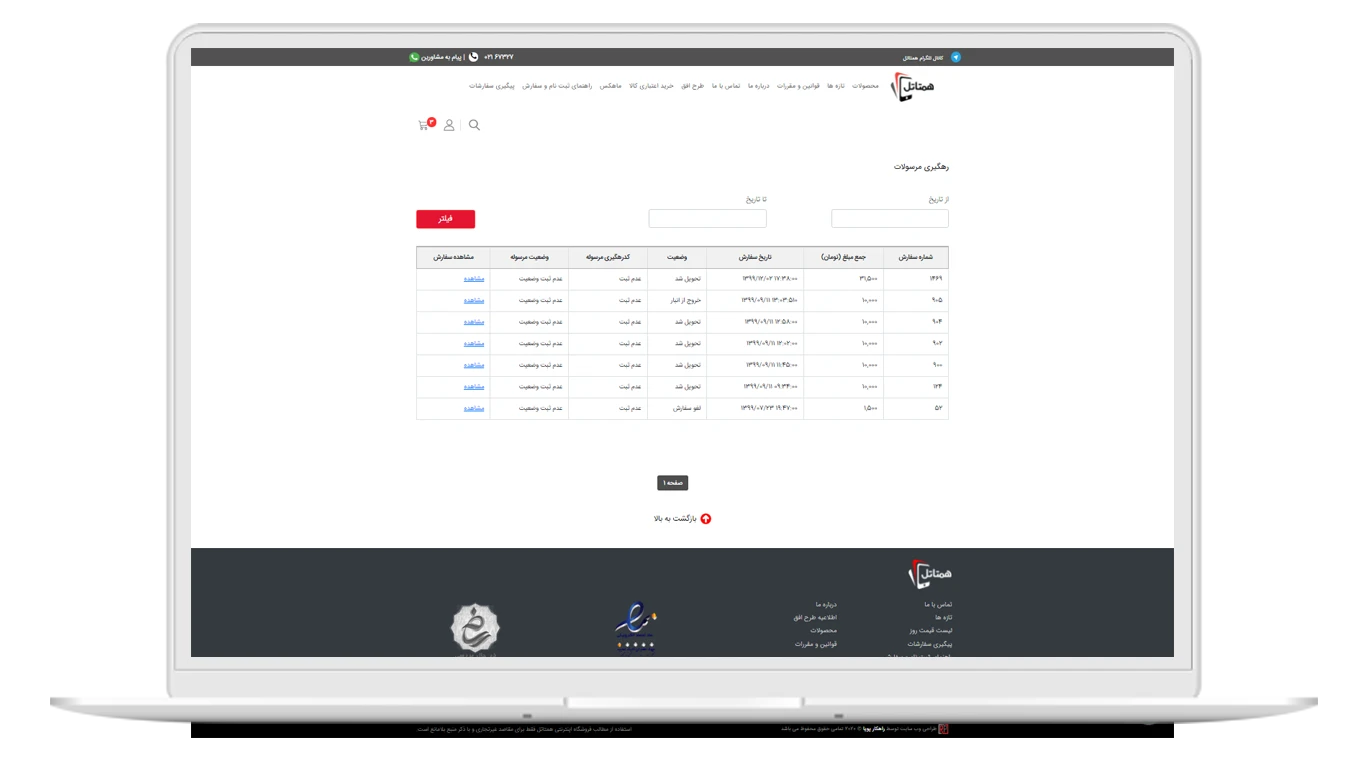
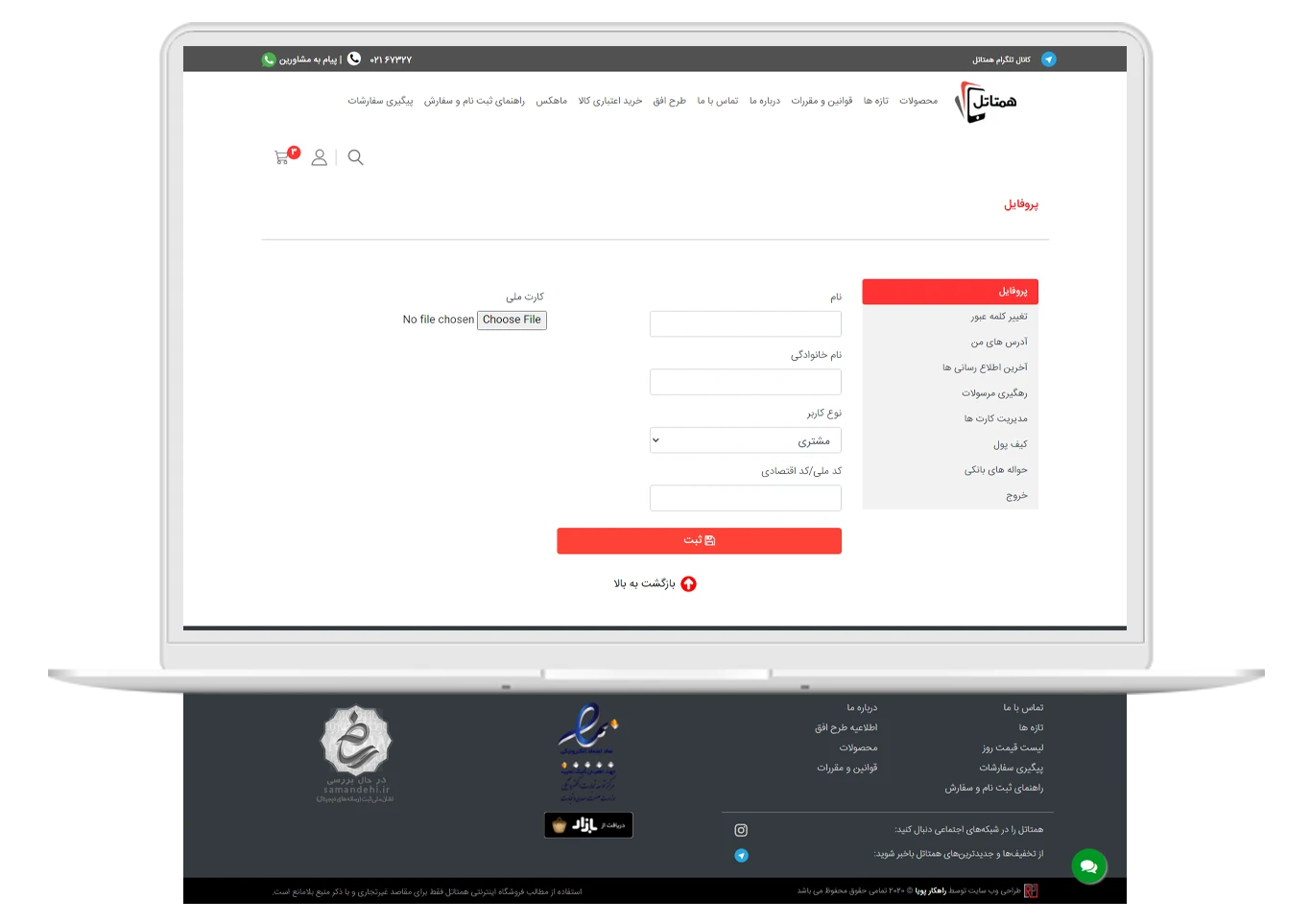
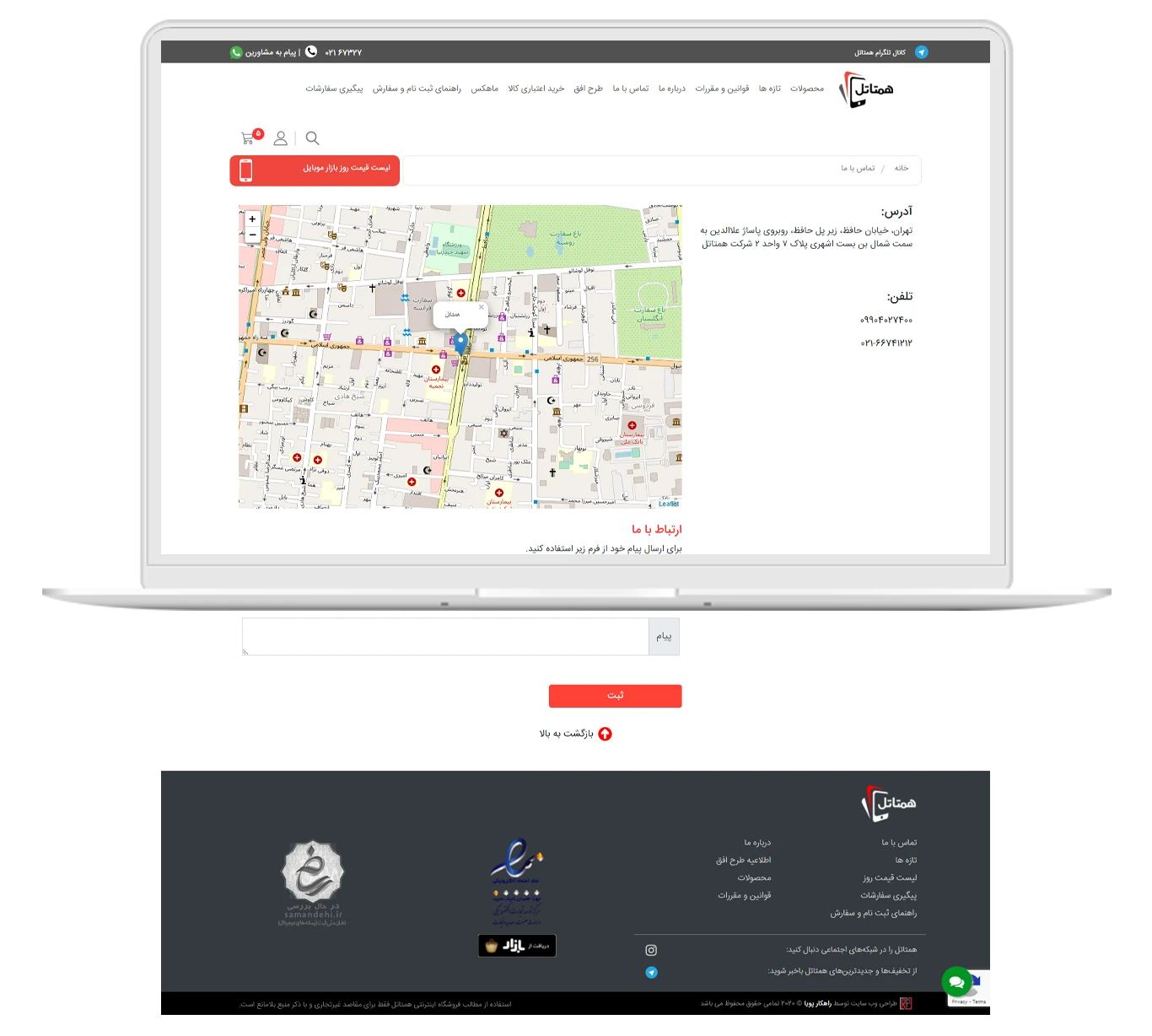
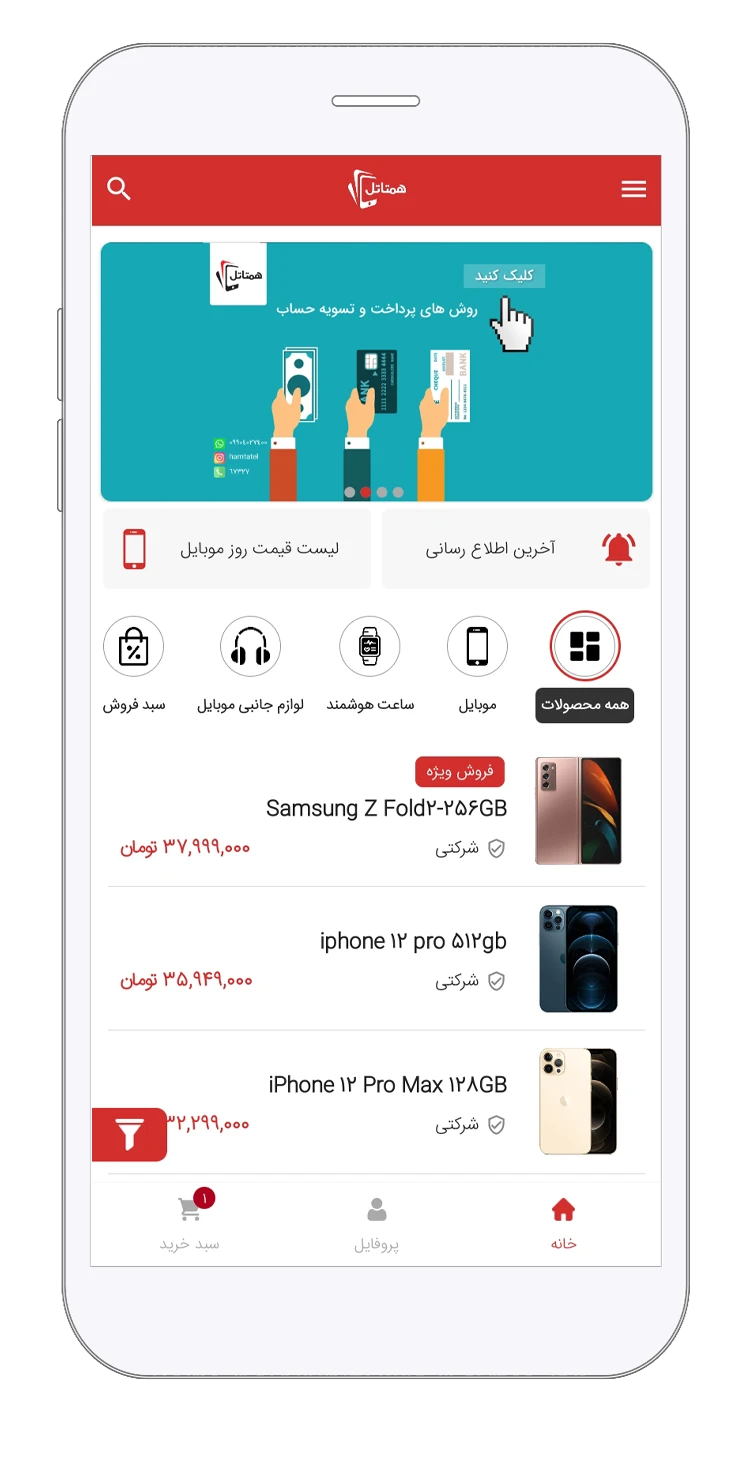
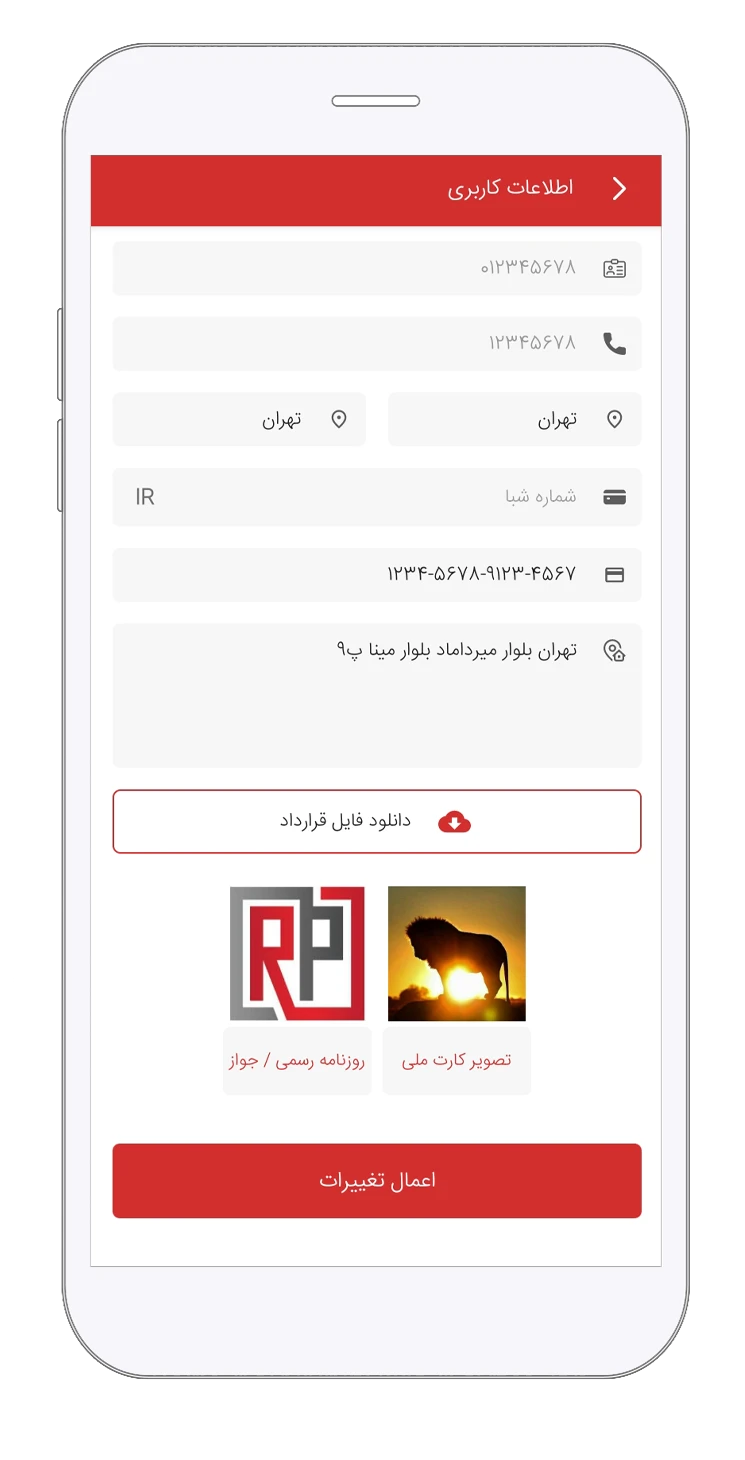
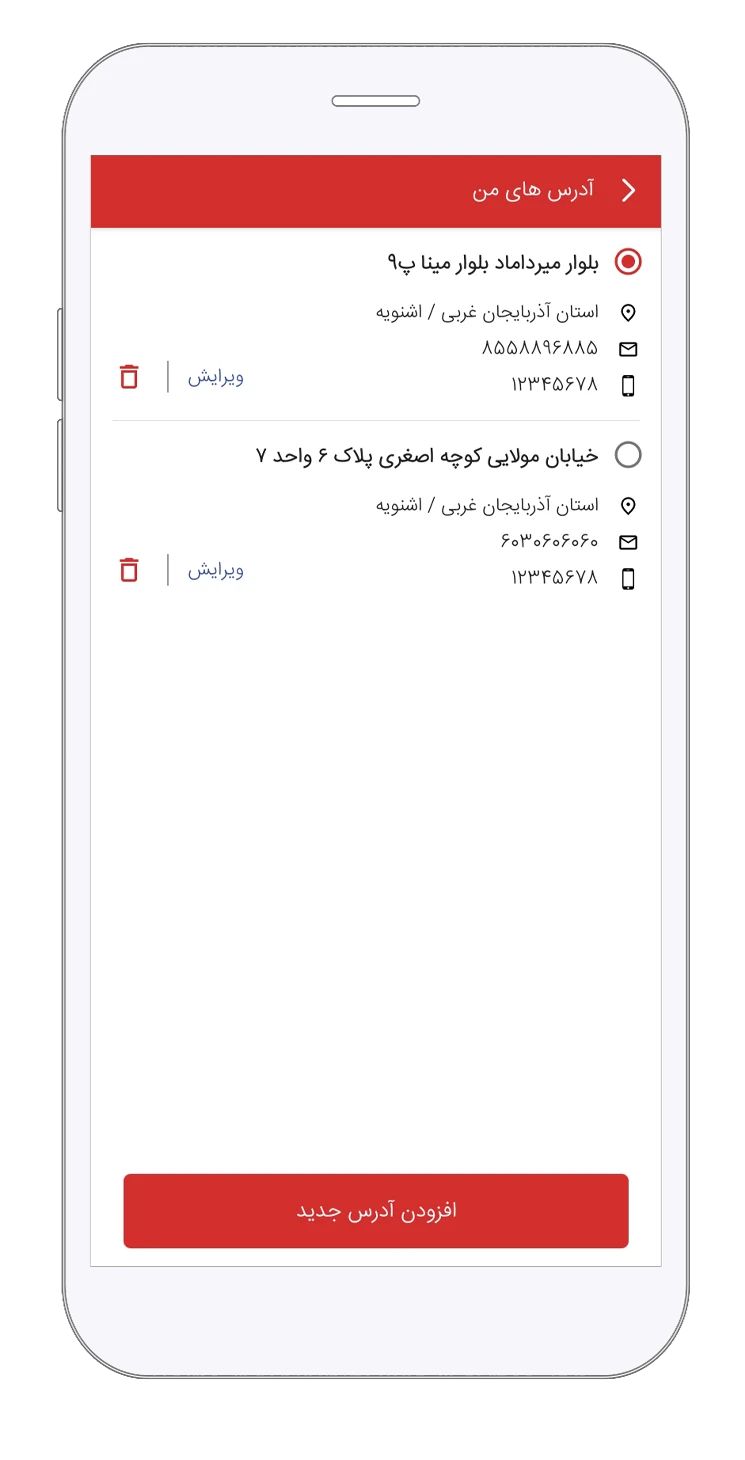
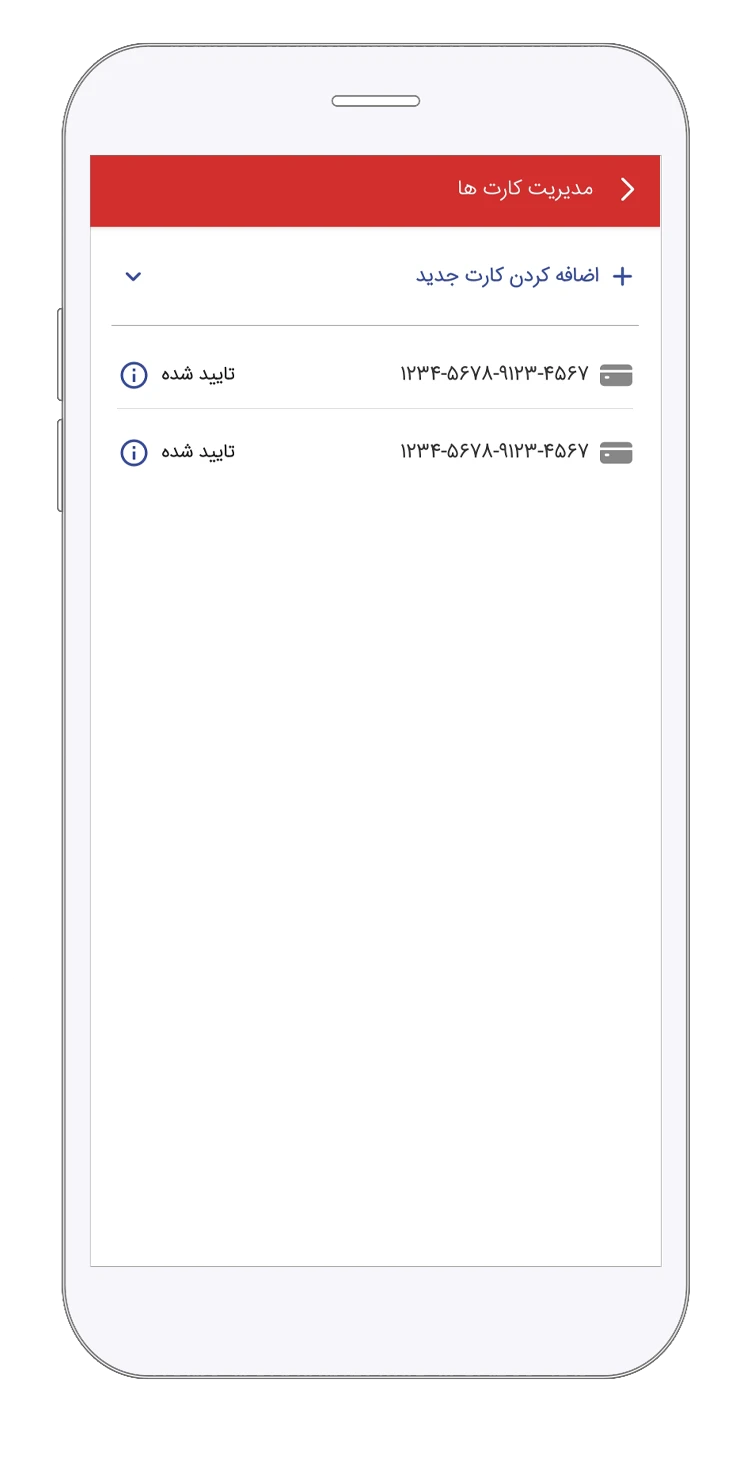
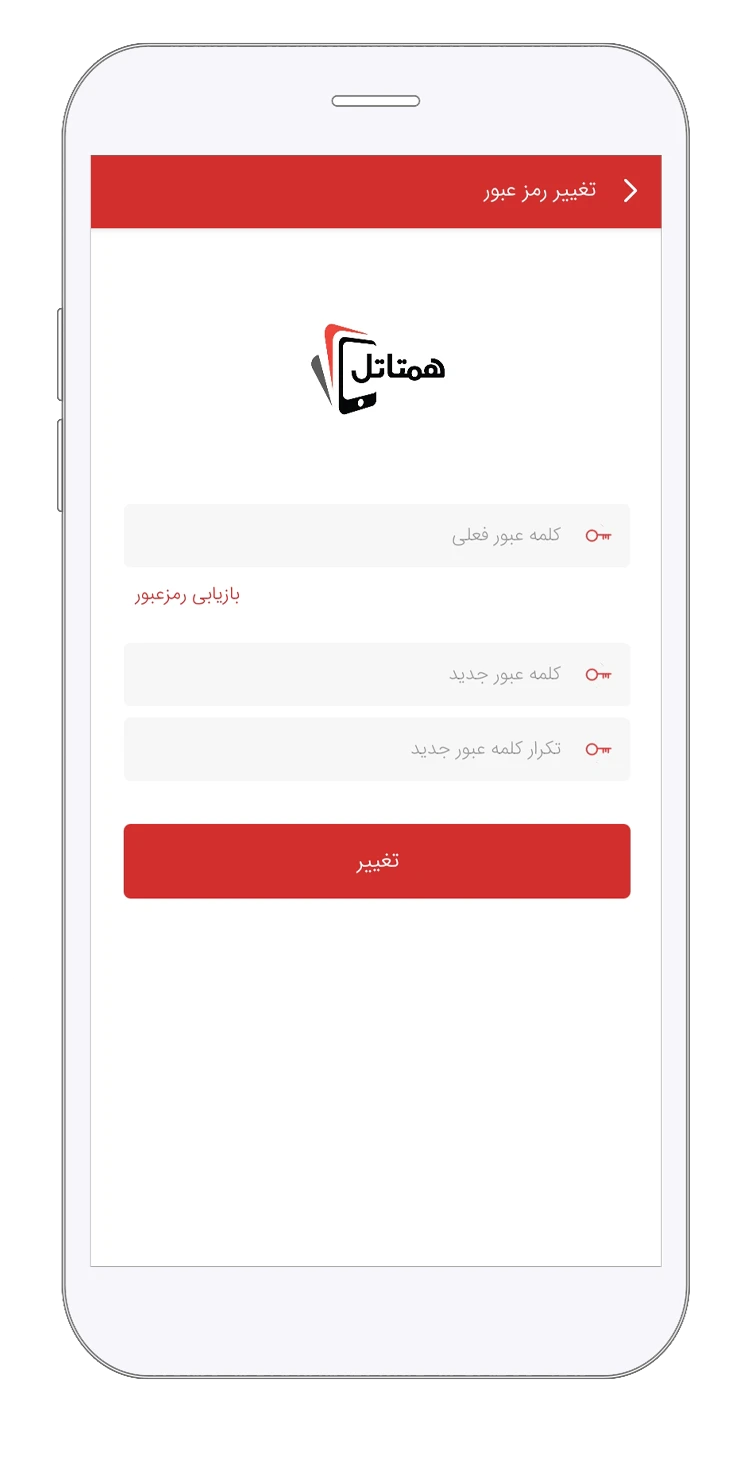
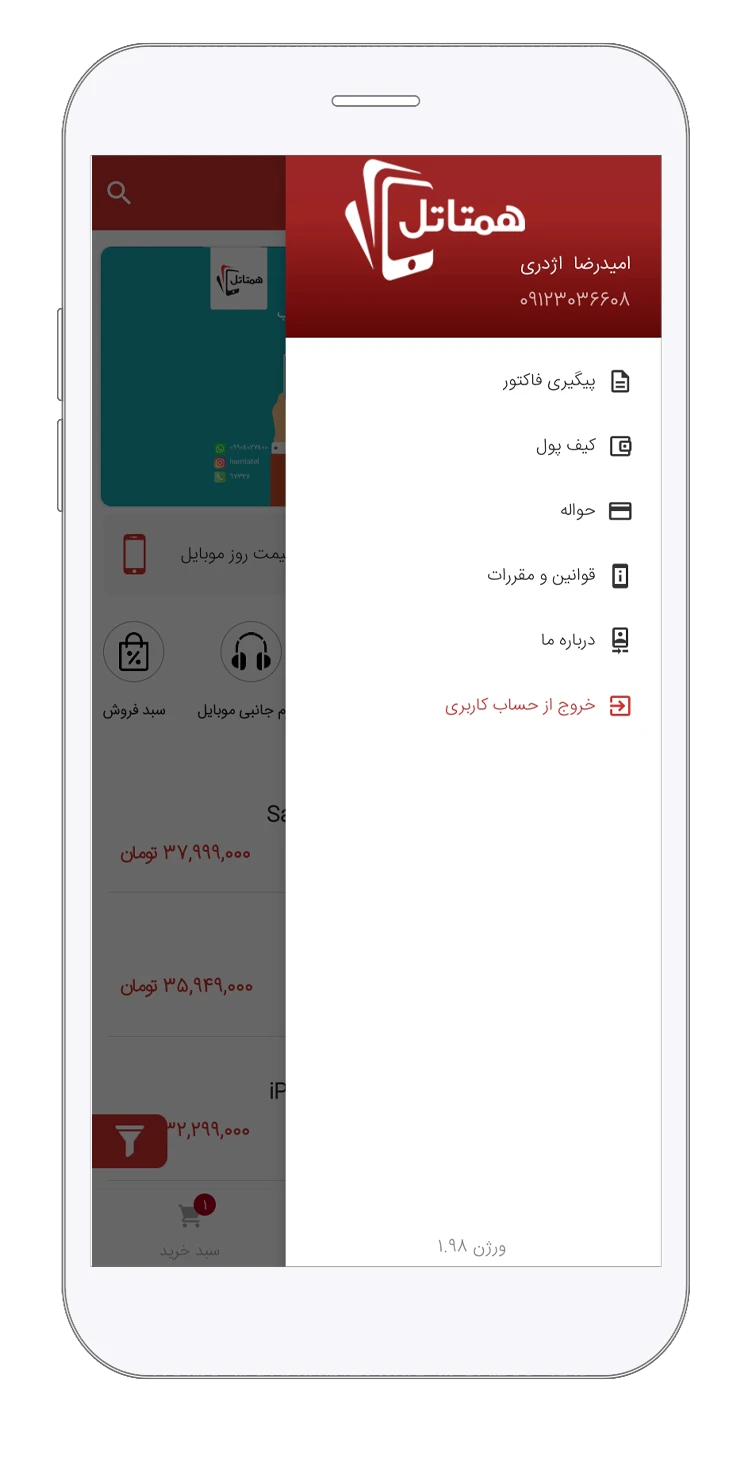
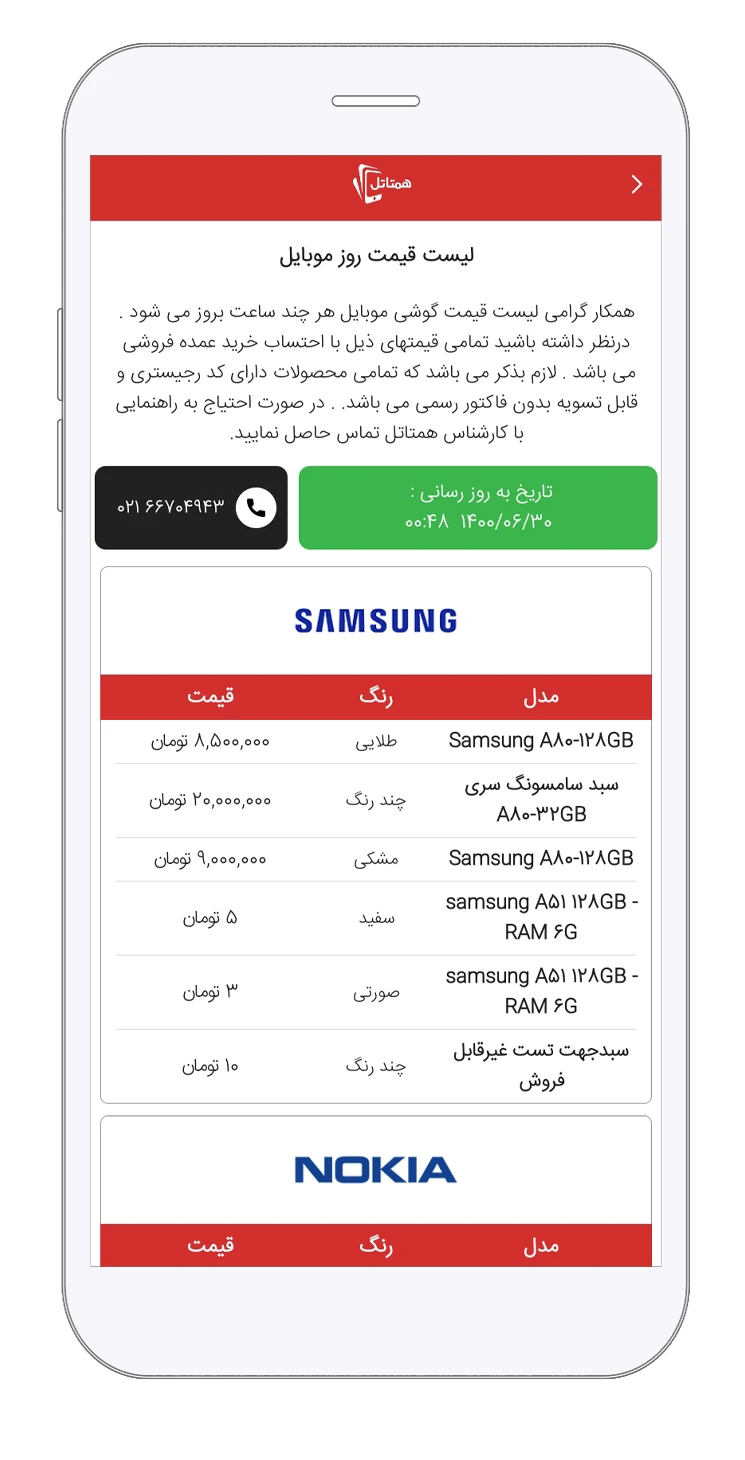
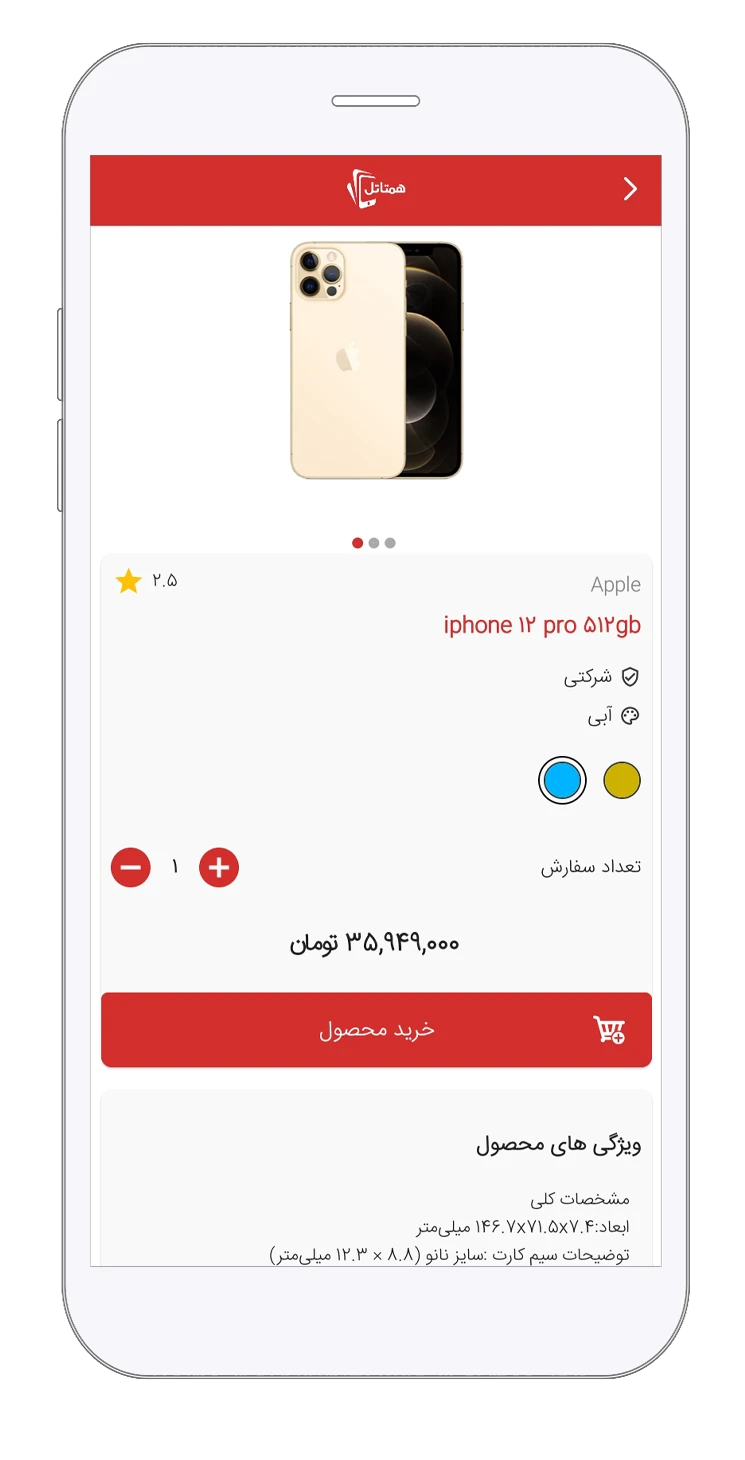
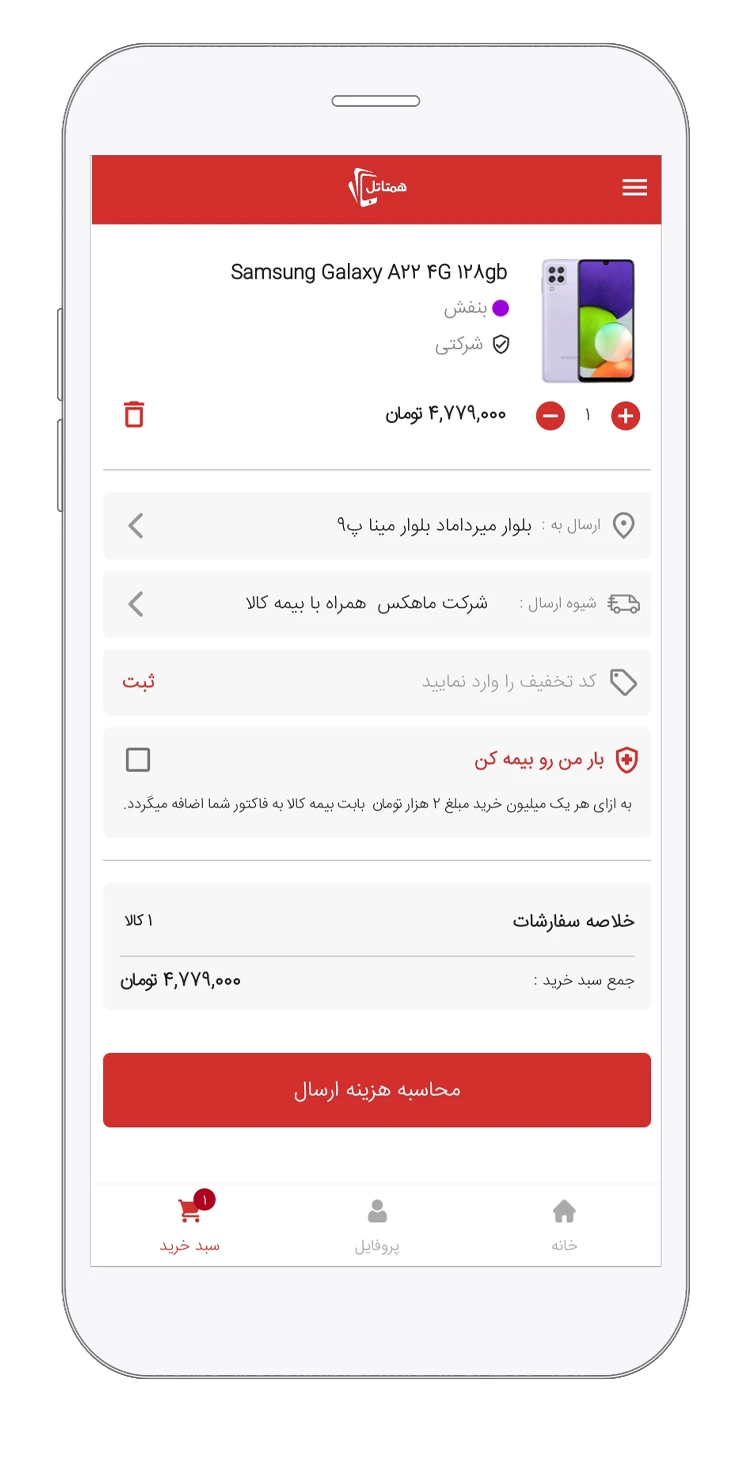
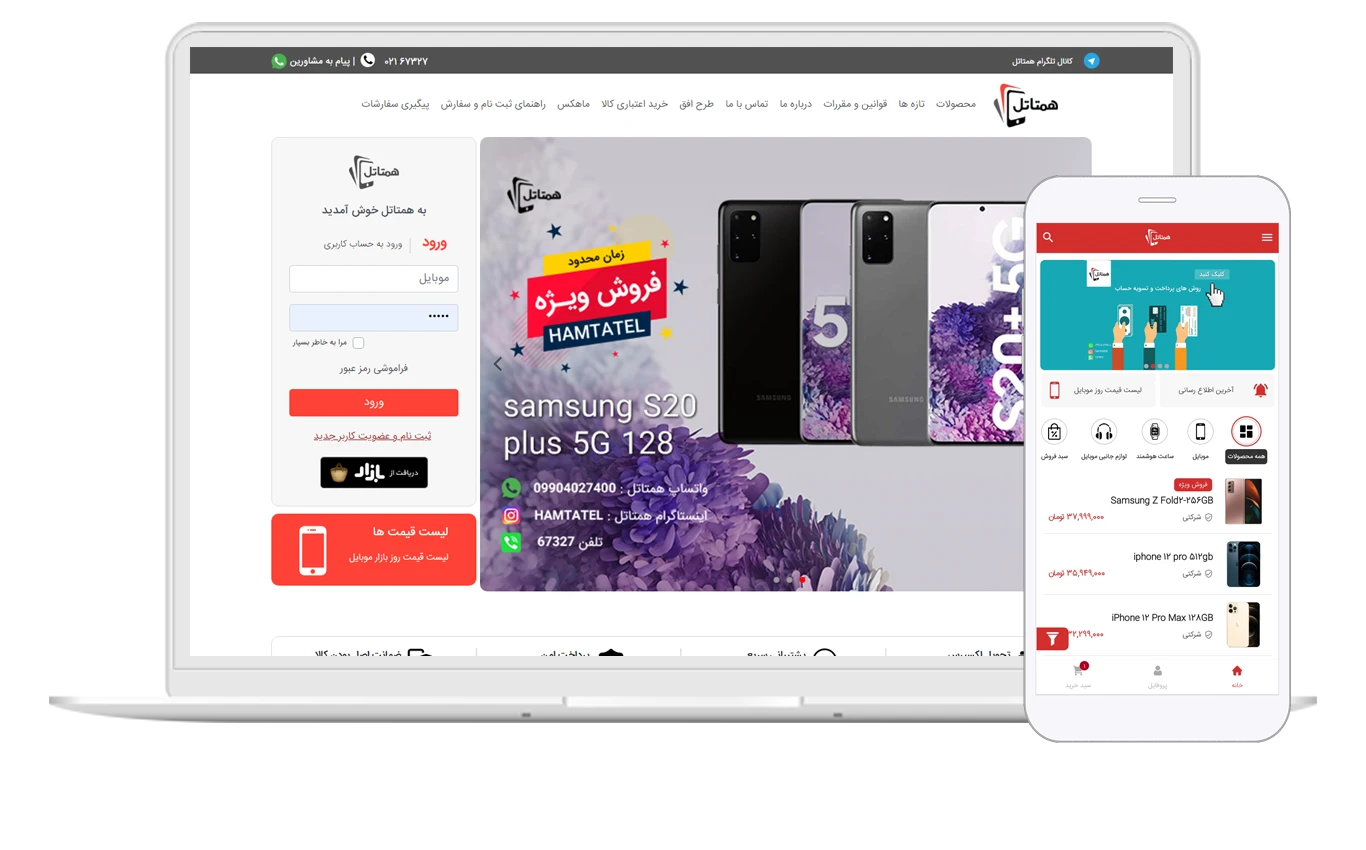
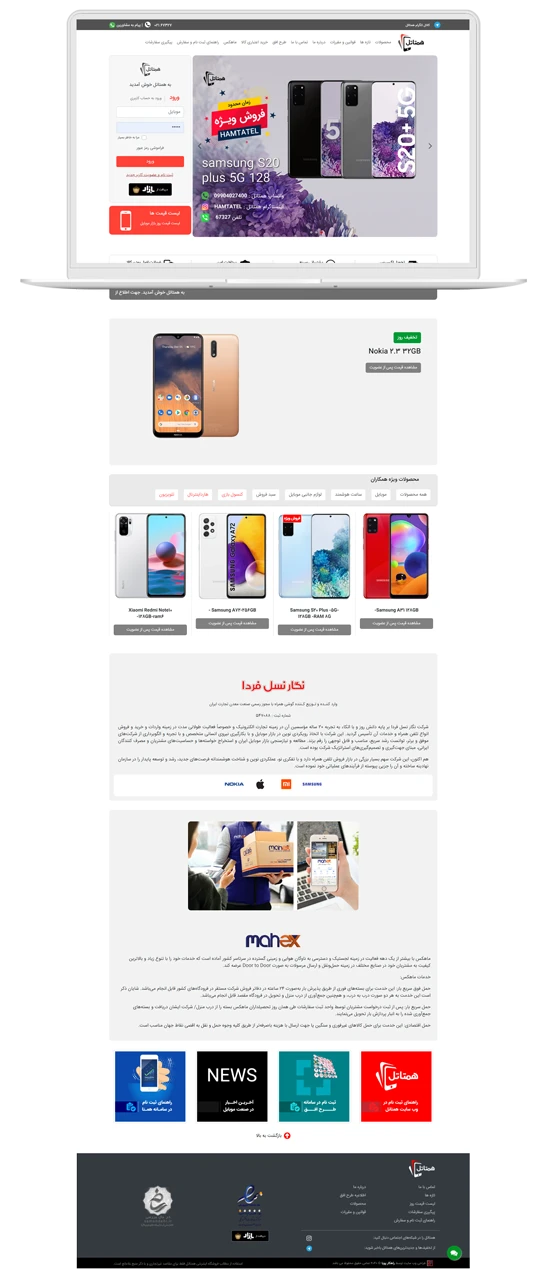
Hematatel Company, as one of the large importers of digital goods in the country, aimed to utilize the potential capacities of the market and improve the wholesale sales process by designing and implementing a B2B e-commerce website and application. This project in its first phase includes a management panel, e-commerce website, Android application, and a special PWA application for iPhone.

Key Objectives of the Project

  • Create a B2B store platform to provide services to partners and sellers
  • Design a dedicated management panel for managing products, orders, and users
  • Increase speed and improve user experience with Android and PWA mobile applications
  • Integrate sales and financial processes with smart tools
  • Add developmental features in later phases based on market needs

Initial Phase Features

Management Panel

Design and implementation of a powerful management panel for managing products, orders, and communication with users.

E-commerce Website

Creation of a B2B online store for quick access for partners to products and management of wholesale purchases.

Android Application

Development of an Android application with speed and ease of use for purchasing and managing orders through mobile.

PWA Application

Launching a PWA application for iPhone users that provides an experience similar to native applications.

Development in Later Phases

Based on operational needs and user feedback, the following features were added in later phases:

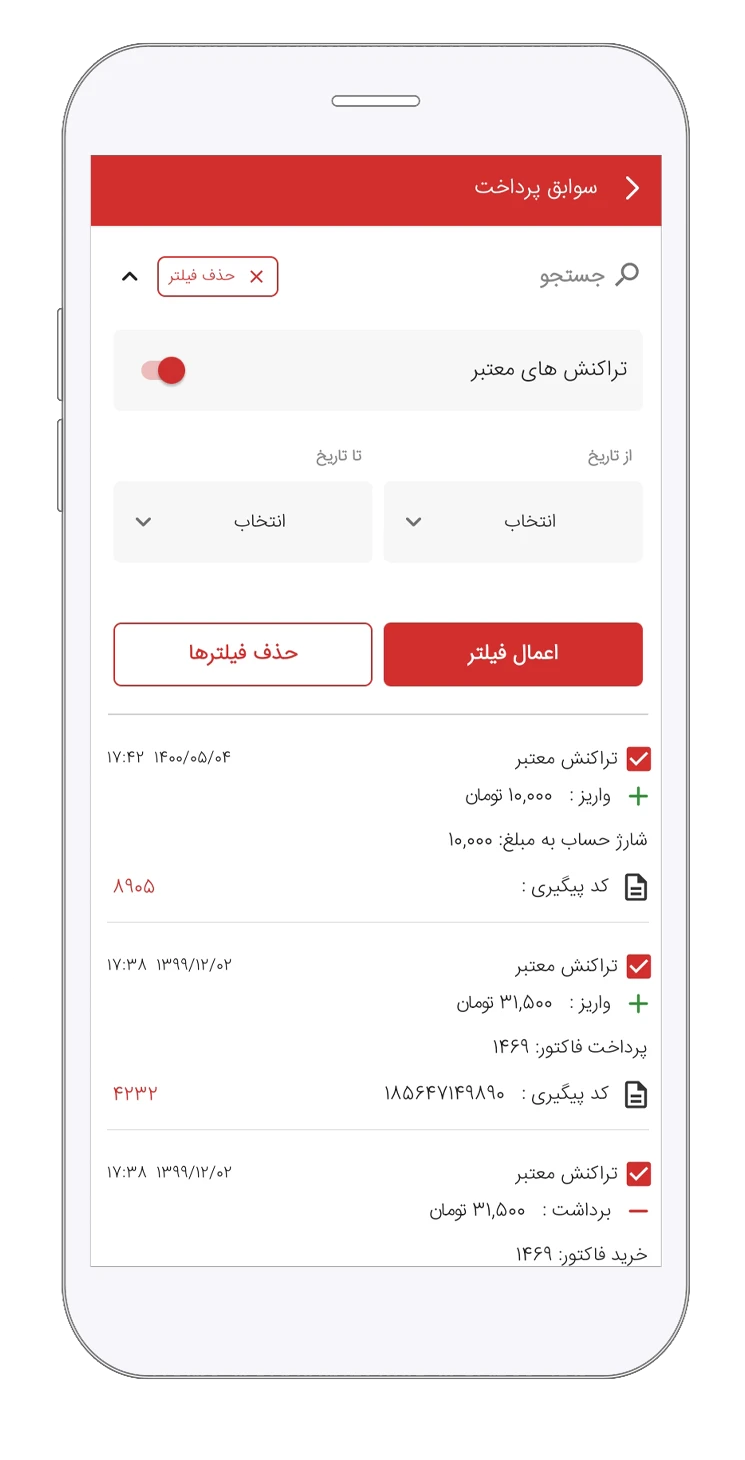
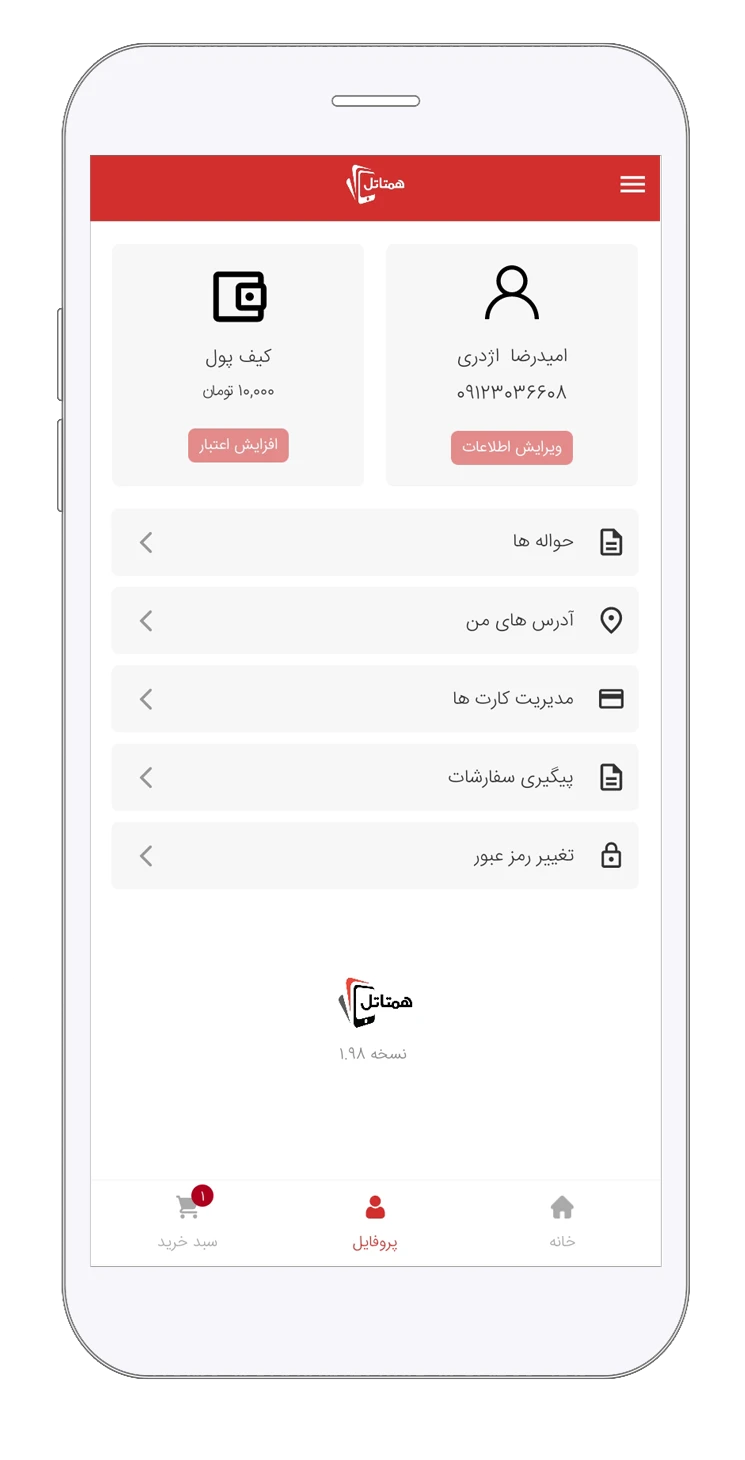
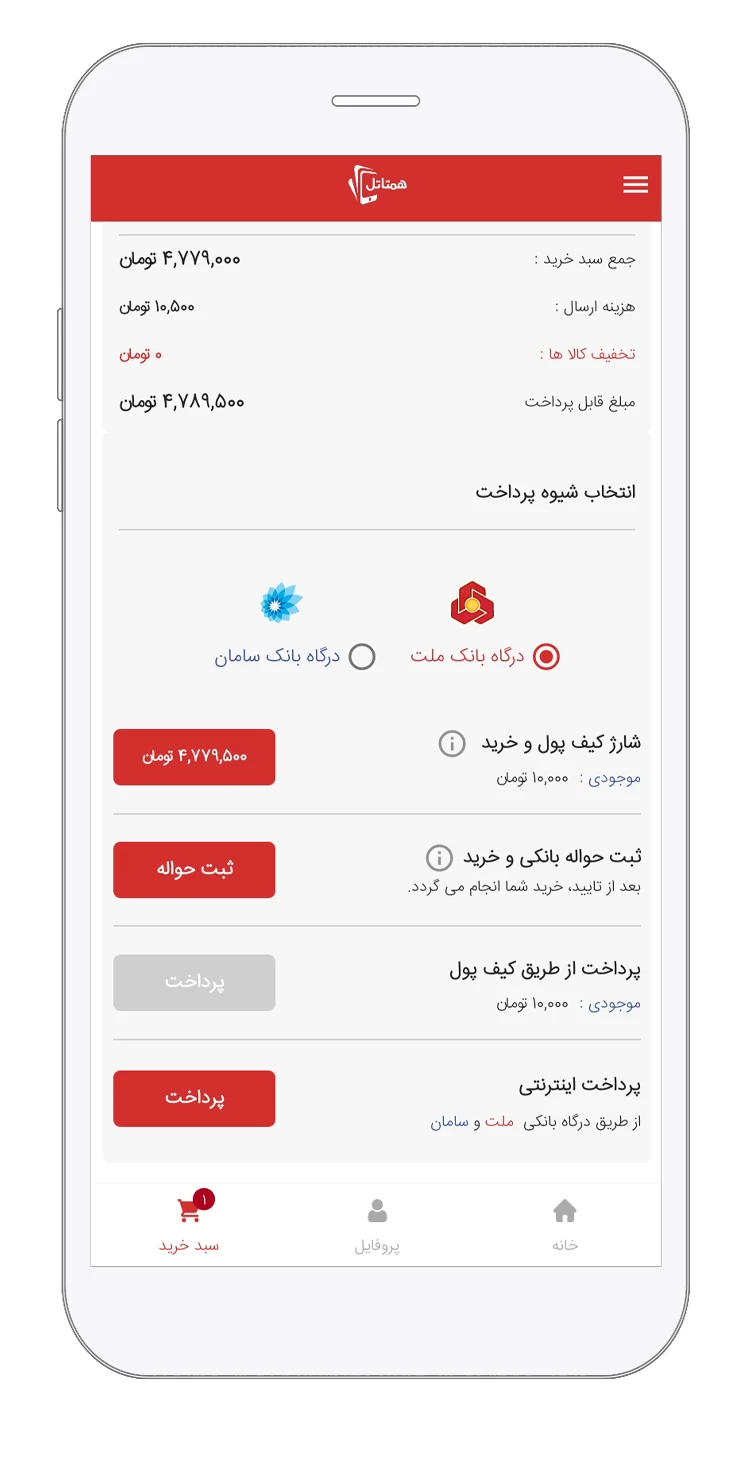
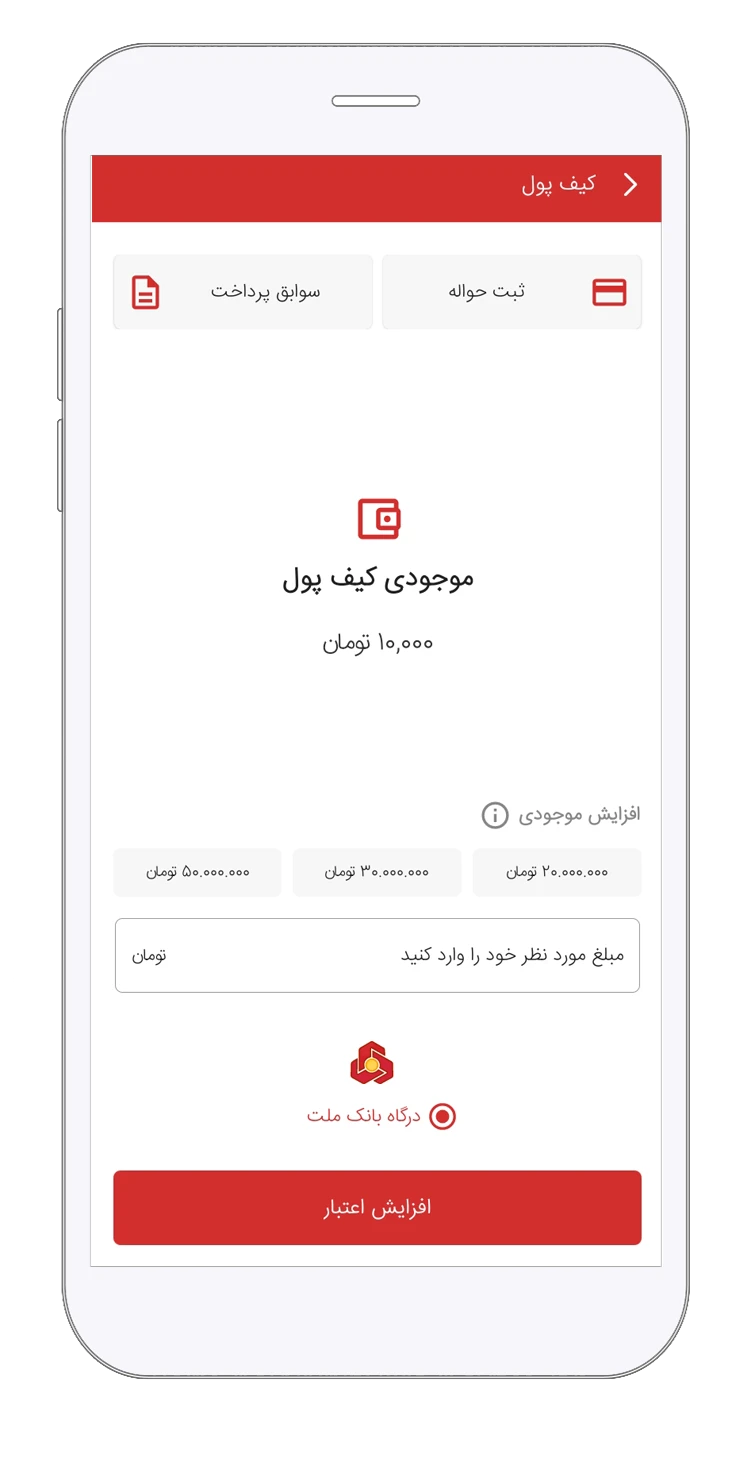
  • Phase Two: Addition of a digital wallet for faster transaction and payment management
  • Phase Three: Integration with financial software for the integration of accounting and sales processes
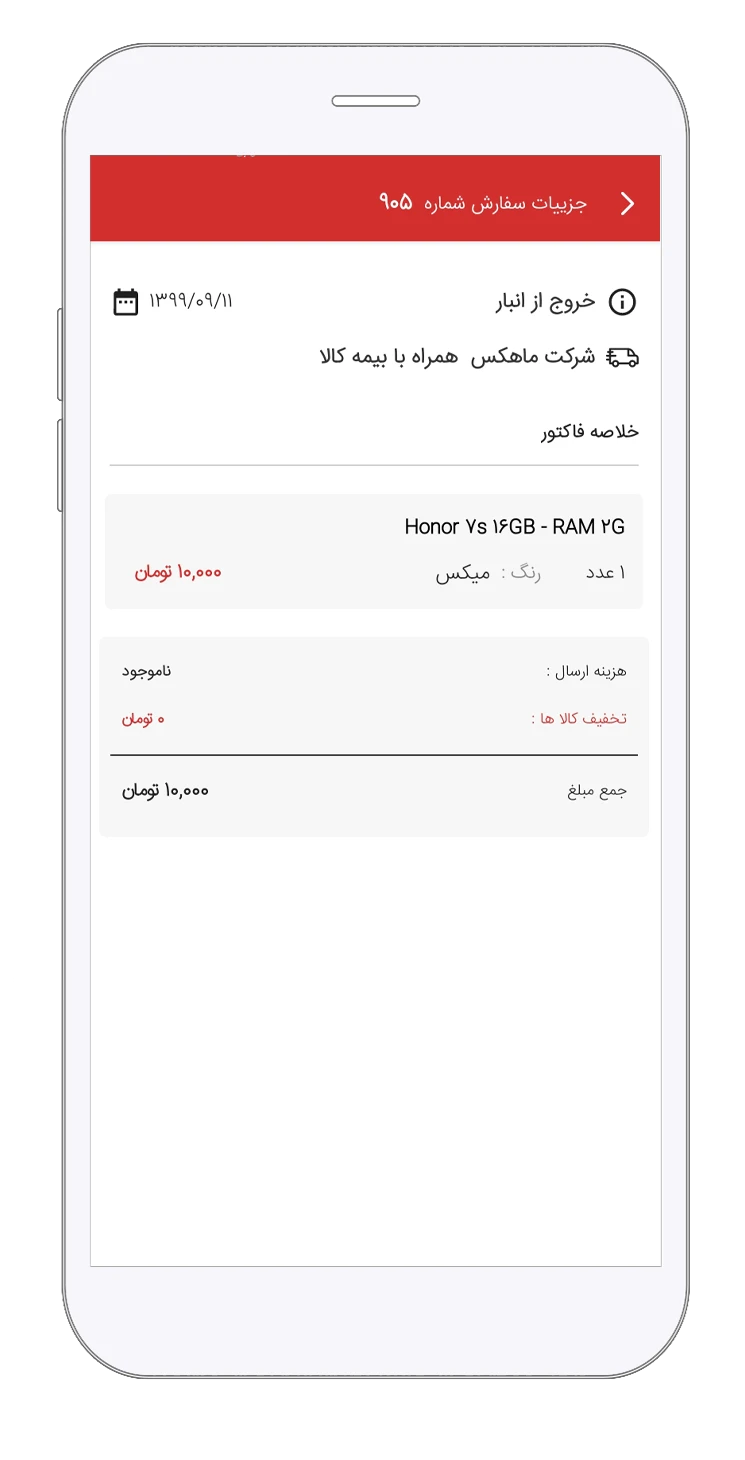
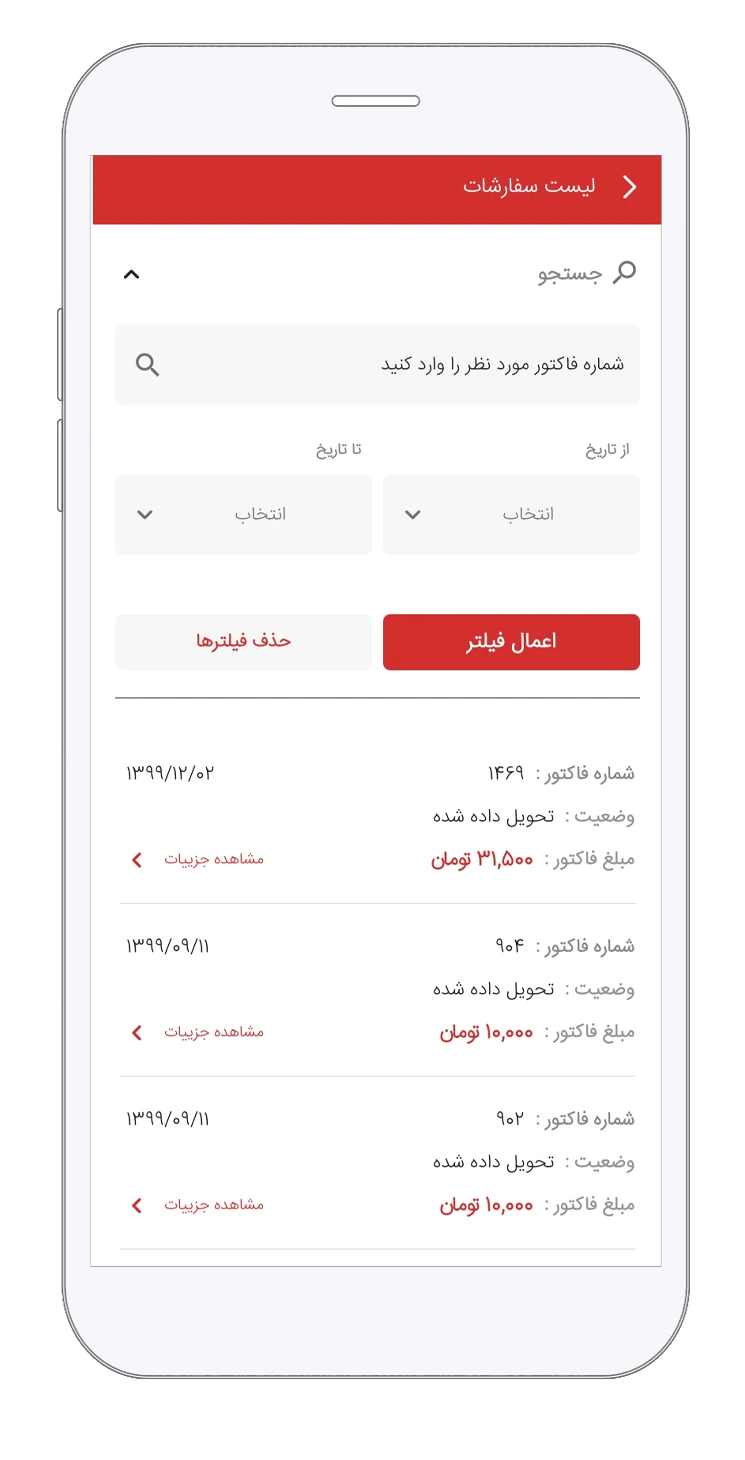
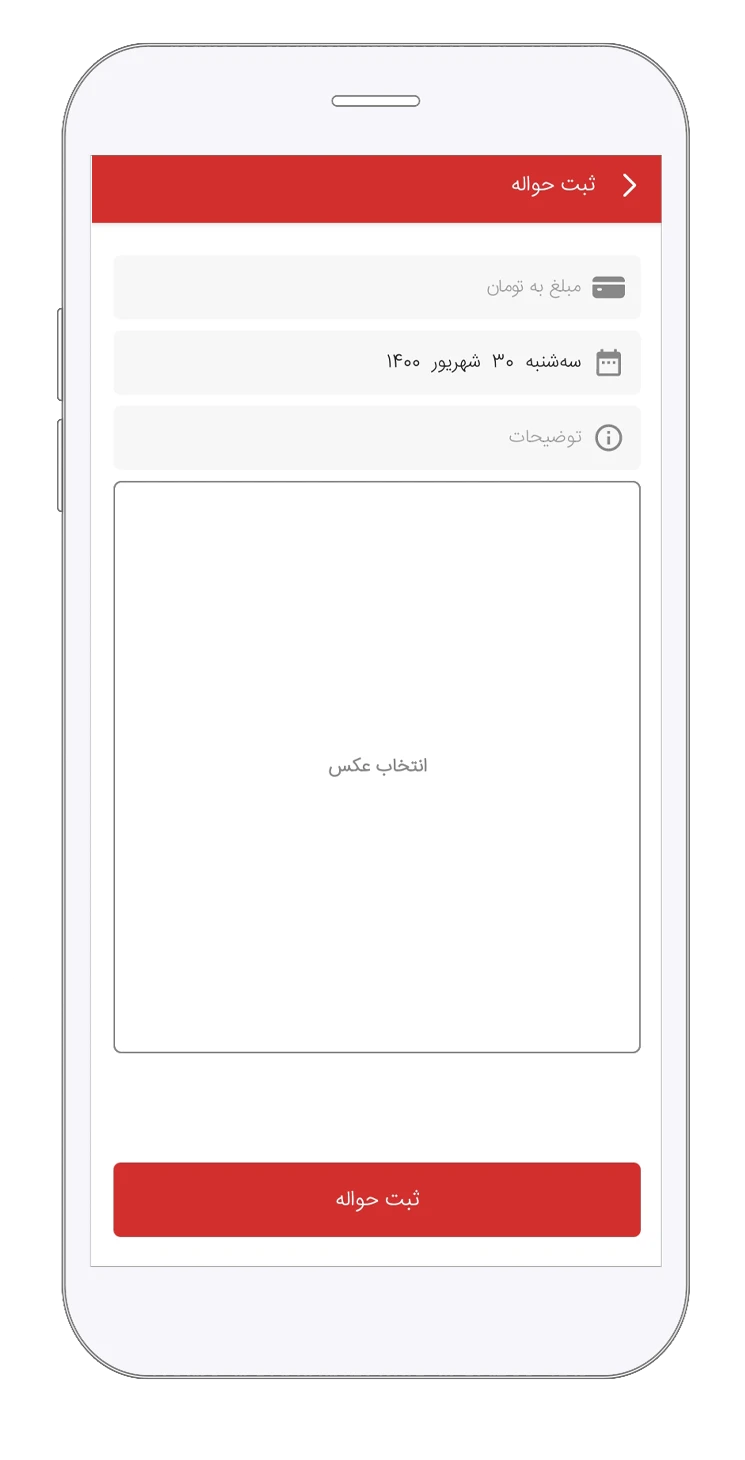
  • Phase Six: Addition of the ability to issue offline invoices for internet outages and ease of tracking orders

Results and Achievements

The implementation of the Hematatel B2B Store made the wholesale buying experience simpler, faster, and smarter for partners. Features such as digital wallet, integration with financial software, and offline invoices made this project one of the successful examples in the field of B2B stores, allowing Hematatel to establish closer interactions with its partners.

Frequently Asked Questions (FAQ)

1. What type of store is Hematatel?

This store is designed as a B2B model, specifically for partners and active representatives in the digital goods sector.

2. What features were offered in the first phase?

Features include management panel, e-commerce website, Android application, and PWA application.

3. What role does the digital wallet play in this system?

It facilitates faster payments, transaction management, and ease in wholesale purchases.

4. Why is integration with financial software important?

This capability enables integration of financial information and reduces accounting errors.

5. What advantage does offline invoicing offer?

This feature ensures the sales process and order registration even during internet outages.
Project implementation process
Start of collaboration
01
Phase 1: Delivery of E-commerce Website and App
Commissioning date: June 2020
  • Requirement Analysis
    To leverage market potential, a specialized e-commerce website and app for partners were developed.
  • Design
    Based on the previous phase's output, the client's needs were identified, and the design was carried out using modern design methods, prioritizing user experience.
  • Implementation
    After feedback and approval of the final design, the implementation phase began. Proper execution and adherence to current standards resulted in a desirable product.
  • Testing
    After implementation, the output was tested and reviewed by Rahkar Pouya's internal team and then by the client's team.
  • Apply changes
    Based on feedback and test results, along with changes requested by the client, modifications were applied.
  • Delivery
    After completing various phases with client approval at each step, training sessions were held, and the product was made available to users.
02
Phase 2: Adding Digital Wallet
Commissioning date: September 2020
  • Requirement Analysis
    To enhance user experience and meet new requirements, a digital wallet feature was added.
  • Design
    Based on the previous phase's output, the client's needs were identified, and the design was carried out using modern design methods, prioritizing user experience.
  • Implementation
    After feedback and approval of the final design, the implementation phase began. Proper execution and adherence to current standards resulted in a desirable product.
  • Testing
    After implementation, the output was tested and reviewed by Rahkar Pouya's internal team and then by the client's team.
  • Apply changes
    Based on feedback and test results, along with changes requested by the client, modifications were applied.
  • Delivery
    After completing various phases with client approval at each step, training sessions were held, and the product was made available to users.
03
Phase 3: Integration with Financial Software
Commissioning date: January 2021
  • Requirement Analysis
    To meet new requirements, integration with financial software was added.
  • Design
    Based on the previous phase's output, the client's needs were identified, and the design was carried out using modern design methods, prioritizing user experience.
  • Implementation
    After feedback and approval of the final design, the implementation phase began. Proper execution and adherence to current standards resulted in a desirable product.
  • Testing
    After implementation, the output was tested and reviewed by Rahkar Pouya's internal team and then by the client's team.
  • Apply changes
    Based on feedback and test results, along with changes requested by the client, modifications were applied.
  • Delivery
    After completing various phases with client approval at each step, training sessions were held, and the product was made available to users.
04
Phase 4: Development
Commissioning date: February 2021
  • Requirement Analysis
    To enhance user interface and experience, and meet new requirements, the following were added or improved: reporting section, invoicing, shipment insurance, and product display method.
  • Design
    Based on the previous phase's output, the client's needs were identified, and the design was carried out using modern design methods, prioritizing user experience.
  • Implementation
    After feedback and approval of the final design, the implementation phase began. Proper execution and adherence to current standards resulted in a desirable product.
  • Testing
    After implementation, the output was tested and reviewed by Rahkar Pouya's internal team and then by the client's team.
  • Apply changes
    Based on feedback and test results, along with changes requested by the client, modifications were applied.
  • Delivery
    After completing various phases with client approval at each step, training sessions were held, and the product was made available to users.
05
Phase 5: Development
Commissioning date: June 2021
  • Requirement Analysis
    To improve overall performance, user interface, and experience, and meet new requirements, the following were added or improved: invoicing module, Saman Bank payment gateway, and app infrastructure upgrade.
  • Design
    Based on the previous phase's output, the client's needs were identified, and the design was carried out using modern design methods, prioritizing user experience.
  • Implementation
    After feedback and approval of the final design, the implementation phase began. Proper execution and adherence to current standards resulted in a desirable product.
  • Testing
    After implementation, the output was tested and reviewed by Rahkar Pouya's internal team and then by the client's team.
  • Apply changes
    Based on feedback and test results, along with changes requested by the client, modifications were applied.
  • Delivery
    After completing various phases with client approval at each step, training sessions were held, and the product was made available to users.
06
Phase 6: Adding Offline Invoicing
Commissioning date: August 2021
  • Requirement Analysis
    To meet new requirements, an offline invoicing feature was added.
  • Design
    Based on the previous phase's output, the client's needs were identified, and the design was carried out using modern design methods, prioritizing user experience.
  • Implementation
    After feedback and approval of the final design, the implementation phase began. Proper execution and adherence to current standards resulted in a desirable product.
  • Testing
    After implementation, the output was tested and reviewed by Rahkar Pouya's internal team and then by the client's team.
  • Apply changes
    Based on feedback and test results, along with changes requested by the client, modifications were applied.
  • Delivery
    After completing various phases with client approval at each step, training sessions were held, and the product was made available to users.
Now
Gallery

Online Store Design
The Pishgam system is a comprehensive platform for managing your online sales chain. Designed for businesses of all sizes, Pishgam covers all online store needs, including order management, invoicing, sales reports, inventory management, financial tr ...
Website Design
With technological advancements, users spend significant time online for daily tasks. Recognizing this, many see the internet as an ideal space for business growth and promotion. While various methods exist, one of the most sustainable is leveraging ...

Project implementation process

We are with you all the way


Executing project stages according to up-to-date knowledge and expertise ensures the exceptional quality of our projects.

Accordingly, precise needs assessment meetings, professional implementation, and responsive support play a key role in the execution of our projects.

Related articles