Frequently Asked Questions
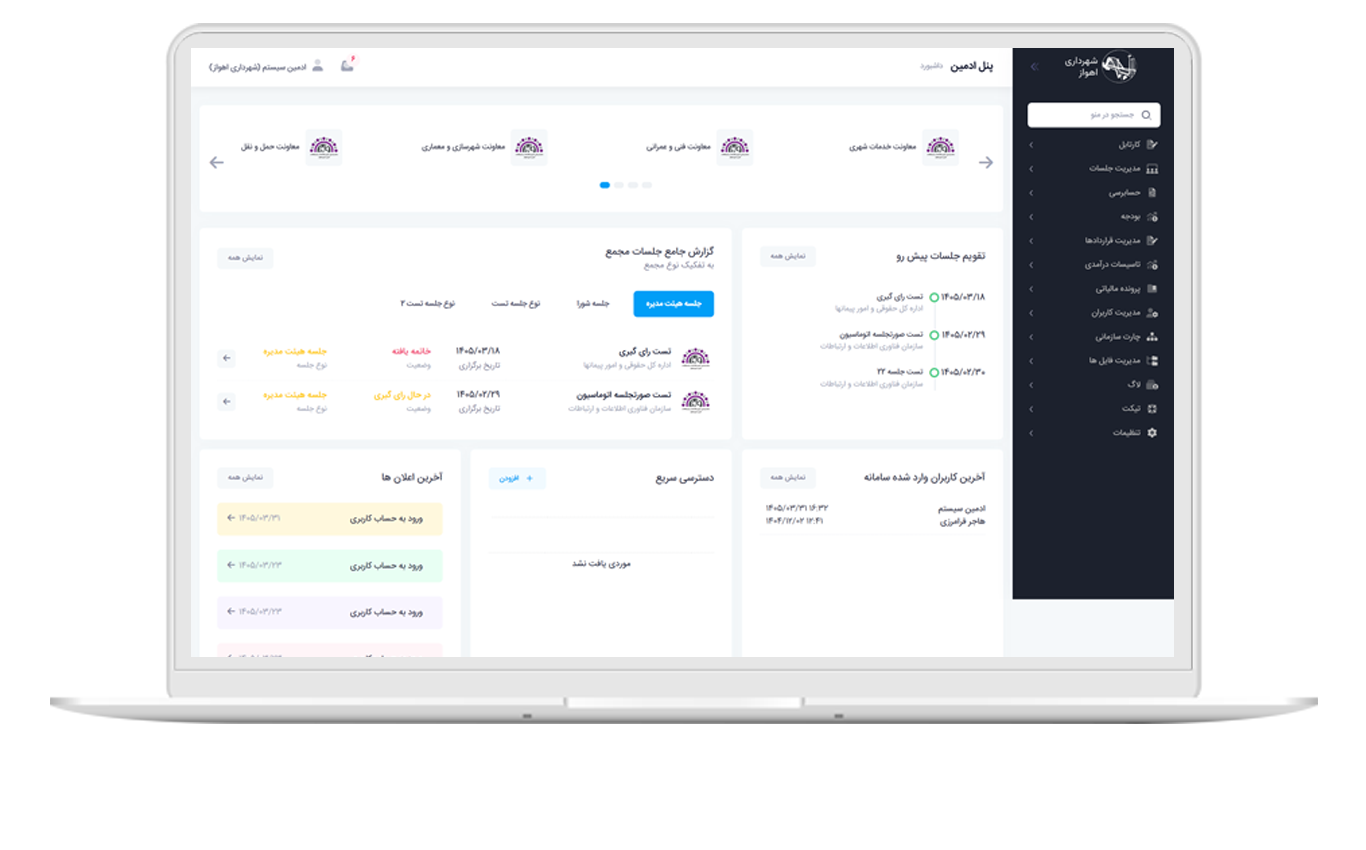
An internal audit dashboard is a visual tool that summarizes key audit performance information, risk status, and controls using charts and metrics, aiming to provide a quick overview for continuous monitoring. In contrast, an internal audit report is a detailed written document presenting the results of a specific audit, including findings, evidence, root cause analysis, and actionable recommendations in depth. Dashboards are for quick overview and rapid response, while reports are for detailed analysis and corrective actions.
Key KPIs for an internal audit dashboard include: percentage of audit plan completed, number of significant and critical findings, percentage of recommendations accepted and implemented by management, audit cycle time, budget variance, and risk coverage. These indicators help assess the effectiveness and efficiency of the internal audit function.
To prepare an impactful report, ensure it is clear, concise, accurate, objective, and constructive. Using simple language, providing supporting evidence, and offering SMART (Specific, Measurable, Achievable, Relevant, Time-bound) recommendations are crucial. Additionally, the executive summary should be comprehensive and engaging, and management's response to recommendations should be included in the report.
Common challenges include: data quality and accessibility, lack of expertise in data analysis and visual design, resistance to change by employees, selection of inappropriate KPIs, and managing stakeholder expectations. Overcoming these challenges requires investment in training, data integration, and continuous feedback from stakeholders.
AI and automation can significantly enhance internal audit dashboards and reports by enabling advanced data analysis, identifying patterns and anomalies, facilitating continuous auditing and real-time dashboard updates, predicting risks, and even automating parts of audit report generation. These technologies allow auditors to focus on deeper analysis and greater value creation.