Frequently Asked Questions
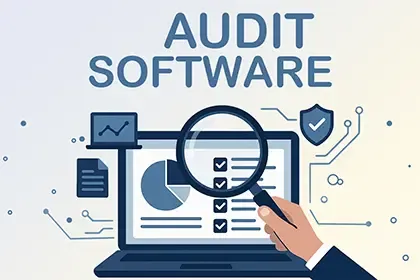
Audit automation involves using new technologies like AI, machine learning, and Robotic Process Automation (RPA) to perform audit tasks and processes. The main difference from traditional auditing is that automation focuses on automating repetitive tasks, 100% data analysis, reducing human error, and providing deeper, real-time insights, whereas traditional auditing relies more on manual sampling and periodic reviews.
Key benefits include significant increases in efficiency and speed, higher accuracy and reduction of human errors, long-term operational cost reduction, advanced data analytics capabilities providing strategic insights, improved compliance and financial risk management, and the possibility of implementing continuous auditing and real-time monitoring.
Key technologies include Artificial Intelligence (AI) and Machine Learning (ML) for pattern recognition and predictions, Robotic Process Automation (RPA) for automating repetitive tasks, data analytics tools for processing vast amounts of information, cloud computing for accessibility and scalability, and blockchain for increased transparency and data security.
The main challenges include significant initial investment, employee resistance to change and the need for retraining, data security and privacy concerns, skill gaps within audit teams, and the complexity of integrating new tools with existing legacy systems within the organization.
The role of auditors will increasingly shift from performing repetitive tasks and data collection towards analysis, strategic risk assessment, and providing valuable advice to management. They will spend more time interpreting results from automated tools, developing soft skills, and becoming strategic partners for the organization.
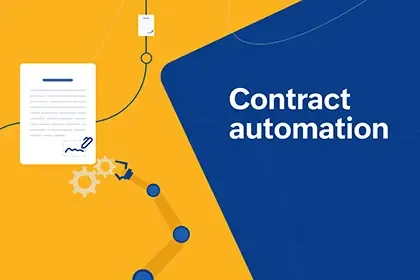
Yes, audit automation can lead to greater transparency, reduced legal risks, and increased efficiency by digitizing contract management processes, from preparation and review to signing and retention. Automation tools can be used to check contract compliance with internal policies, identify high-risk clauses, and ensure adherence to financial and legal obligations, providing a comprehensive and integrated view of an organization's financial and legal status.