Frequently Asked Questions
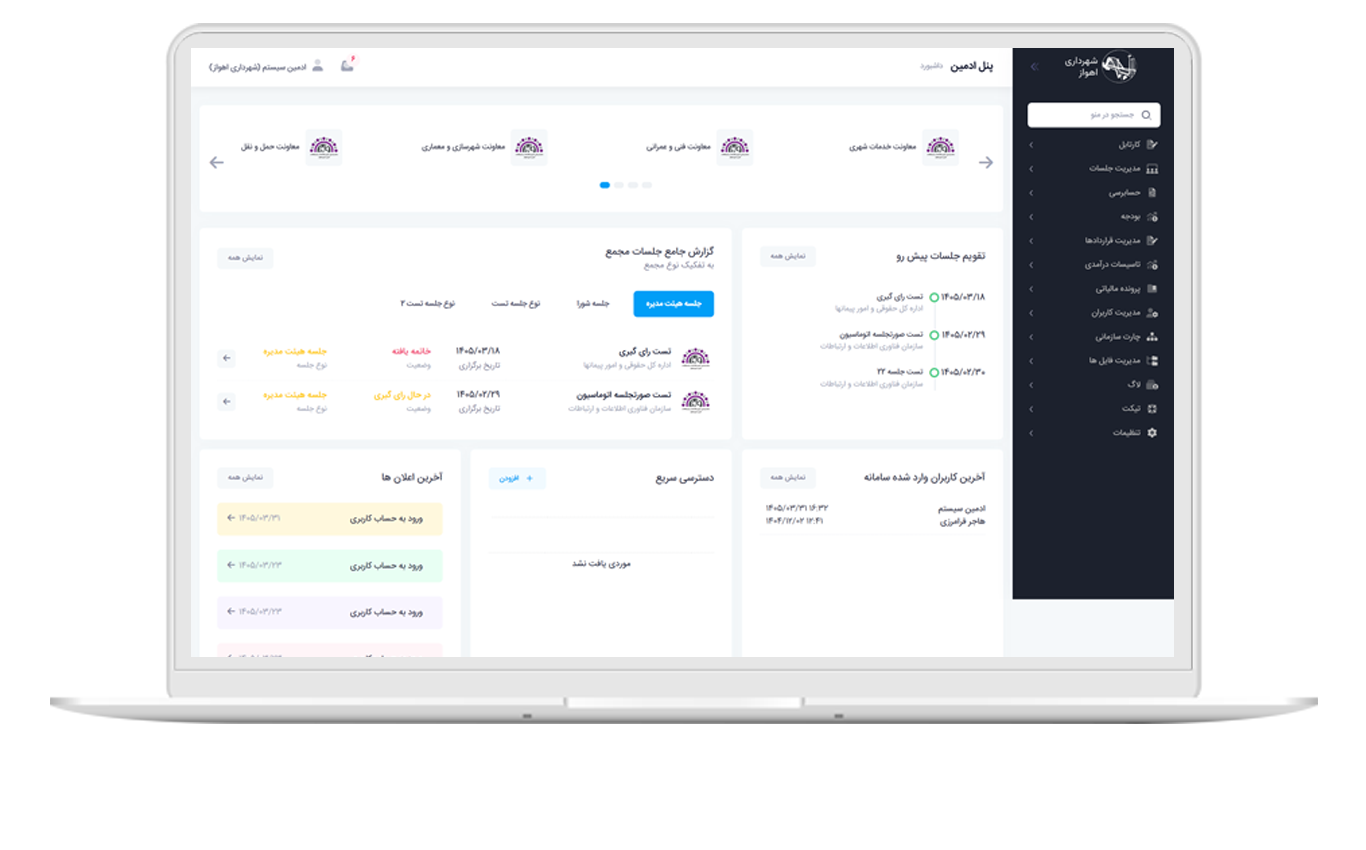
Audit management software is a tool designed for planning, executing, documenting, reporting, and tracking internal and external audit activities. Its main application is to automate audit processes, increase the efficiency of audit teams, reduce human errors, and provide a more comprehensive view of an organization's risks and controls.
Organizations need an internal audit system to cope with modern business complexities, increasing regulations, and diverse risks. These systems help improve audit efficiency and effectiveness, reduce risks and enhance compliance, enable data-driven decision-making, and strengthen transparency and accountability across the organization.
The main benefits of audit automation include improved audit quality, increased productivity and time savings, reduction in human errors, enhanced corporate governance and regulatory compliance, easy and centralized access to information, and the ability to make more informed decisions based on analytical data. These systems also support Continuous Auditing.
Common challenges in implementing audit management software include resistance to change from users, insufficient resource allocation (time, financial, human), complexity of integration with existing systems, security concerns regarding sensitive data, and choosing the wrong software that does not align with the organization's needs.
AI can enhance audit efficiency and depth through predictive risk analysis, fraud and error detection, and analysis of large volumes of documents. Blockchain, by providing immutable and transparent records, increases data trustworthiness and reduces the need for manual verification. These technologies are moving towards continuous auditing and increased transparency at all organizational levels.
Yes, an efficient audit management system typically has the capability to integrate with other organizational systems such as ERP, CRM, financial systems, and even systems like assembly and contract management software. This integration facilitates data exchange, prevents redundant data entry, and creates a more comprehensive and cohesive view of organizational performance.
To choose suitable internal audit software, one should consider a precise assessment of organizational needs, key software capabilities (such as planning, risk management, reporting), customization options, integration capabilities with other systems, the vendor's technical support level, data security, and pricing model. Also, reviewing customer feedback and requesting demos are highly important.