Frequently Asked Questions
Blockchain is a decentralized and distributed ledger that securely and immutably records transactions. A smart contract is a piece of code executed on the blockchain that automatically implements and enforces the terms of an agreement without intermediaries. Blockchain is the infrastructure, and smart contracts are applications built on it.
These technologies offer benefits such as increased transparency, reduced intermediaries and costs, automation of contractual processes, enhanced security and immutability of documents, and improved access to legal services. This can lead to reduced fraud and increased efficiency.
The legal validity of smart contracts varies across jurisdictions. Many countries are developing laws to recognize and regulate these types of contracts. Challenges such as governing law, liability for code errors, and judicial interpretation still exist.
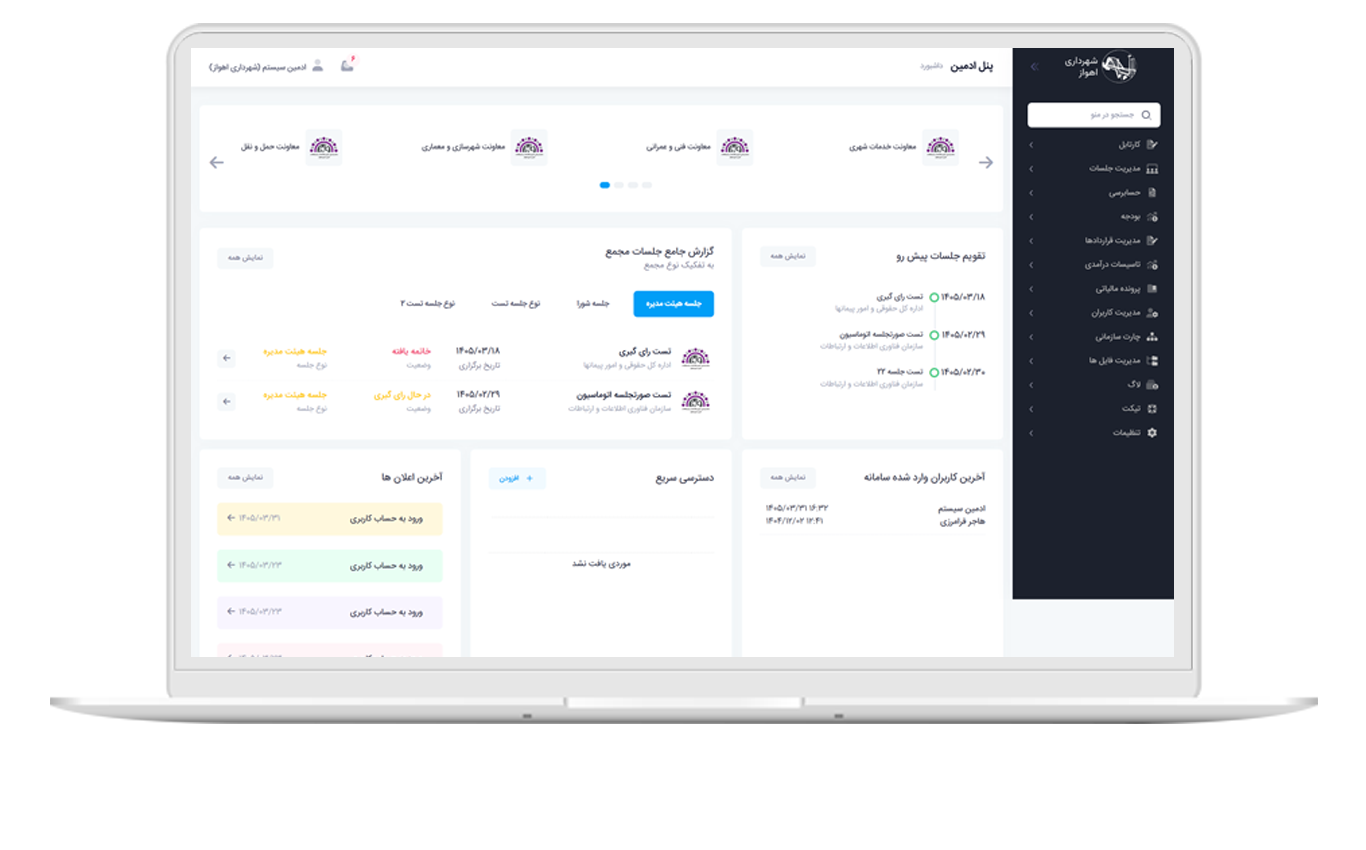
Systems like the Board and Contracts System can be integrated with blockchain technology. This integration allows for recording documents and meeting outcomes on the blockchain for authenticity, automating parts of contracts with smart contracts, and increasing transparency in corporate governance.
Key challenges include the need for comprehensive legal and regulatory frameworks, addressing blockchain scalability issues, ensuring the security of smart contract code, managing privacy and data concerns, and resistance from traditional institutions to change. Technical complexity for average users is also a barrier.
No, blockchain and smart contracts are powerful tools that can make legal processes more efficient, but they will not fully replace lawyers and judges. They cannot handle human complexities, in-depth interpretation of laws, or address disputes with ethical and social dimensions. Instead, they transform the role of legal professionals into technical consultants and blockchain law experts.
DLT is a broader term referring to any database distributed across multiple network nodes in a decentralized manner. Blockchain is a specific type of DLT where data is stored in cryptographically linked blocks in a chain. Each block contains the hash of the previous block, ensuring security and immutability.